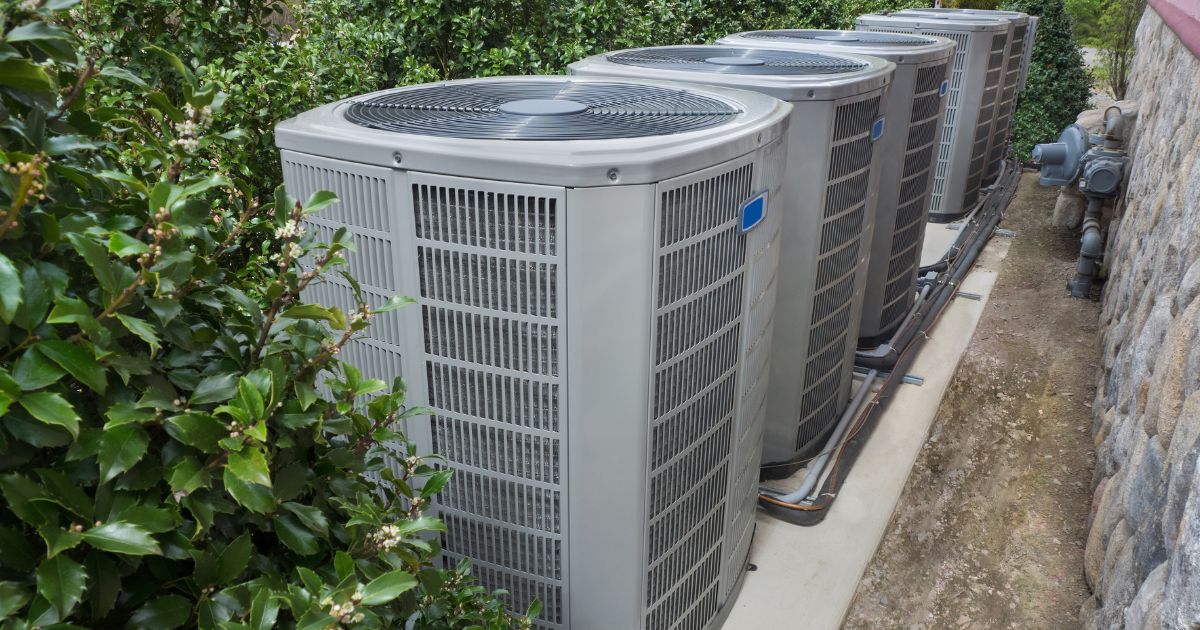
When evaluating franchise opportunities in the services sector, two paths often emerge: one in the booming HVAC (heating, ventilation, and air conditioning) arena, and another in the massive commercial cleaning industry. Heating + Air Paramedics – a relatively new HVAC franchise brand – is catching attention with its catchy “paramedics” branding and essential home services model. But how does this opportunity stack up against the commercial cleaning business franchise model (exemplified by companies like Assett Franchise)? In this comprehensive overview, we’ll break down the Heating + Air Paramedics franchise model, its costs and support, and then compare the HVAC industry to commercial cleaning. The goal: help you determine which is the smarter long-term play for a U.S. franchise buyer.
Understanding the Heating + Air Paramedics Franchise Model
Type of Franchise: Heating + Air Paramedics is an HVAC services franchise focused on residential heating and cooling repair, maintenance, and installation. It falls under the essential home services category (maintenance/repair). Franchisees operate service vehicles (vans or trucks) and dispatch trained technicians (branded as “paramedics”) to fix furnaces, air conditioners, heat pumps, and related systems. The concept emphasizes emergency response – much like medical paramedics – offering 24/7 service to rescue customers from broken ACs in summer or failed heaters in winter. In practice, owners will oversee teams that perform repairs, equipment replacements, routine tune-ups, duct cleaning, and indoor air quality improvements for homeowners and small businesses. The customer base is primarily residential homeowners, though franchisees can also serve light commercial clients (e.g. offices or retail spaces) for their HVAC needs. Notably, this franchise model does not target new construction or industrial HVAC projects – it’s focused on existing homes and commercial buildings where climate control systems need service.
Founding and History: Heating + Air Paramedics began as a local family-run business over a decade ago. Founder Ryan Carpenter grew up in the HVAC trade and started the original company (then called Plumbing Heating Paramedics) in 2011. Starting with just one truck and a small warehouse, Carpenter built a strong reputation in his community for honest, responsive service. The “paramedics” branding – complete with ambulance-themed service vans – set the business apart. After a decade of refining the model, the brand partnered with Threshold Brands (a home services franchising platform backed by private equity firm Riverside) in 2021. This marked the transition into franchising. Heating + Air Paramedics began franchising in 2021 and is now part of Threshold’s portfolio of service brands. Since then, the franchise has expanded rapidly across the U.S. – growing from the founder’s single-unit operation to about 20 franchise locations by 2025. (In fact, Entrepreneur reports a 400% unit growth over a three-year period.) The brand has entered multiple states in a short time, with new franchisees launching in markets like Texas, Florida, Georgia, North Carolina, and Arizona in 2024-2025, according to company press releases. This fast expansion suggests strong interest in the concept, though it’s still an emerging franchise system with relatively limited market presence so far (around two dozen units nationwide).
Services Offered: Heating + Air Paramedics positions itself as a full-service HVAC solution for both emergency and routine needs. Franchisees offer heating system repairs and replacements (furnaces, boilers, heat pumps), air conditioning repairs and installations, and even ancillary services like air duct cleaning and indoor air quality improvements. A signature program is their “Home Health Check” – essentially a preventative maintenance plan where technicians perform seasonal HVAC tune-ups to keep customers’ systems running efficiently year-round. The franchise emphasizes being always on call – available 24/7 for emergencies – which can build customer trust for those critical no-heat or no-AC situations. Thanks to this range of services, franchise owners have multiple revenue streams: emergency repair jobs, scheduled maintenance visits, and big-ticket equipment replacement sales. Heating + Air Paramedics also highlights its focus on honest, upfront pricing and options for customers (tiered “good-better-best” solutions) to build loyalty and repeat business. Overall, the services are essential – virtually every home or business needs functioning heating and cooling – which gives this franchise a built-in demand base.
Franchisee Support & Systems: Being part of Threshold Brands, Heating + Air Paramedics promises a robust support infrastructure for its franchisees. New owners go through a comprehensive training program covering both technical and business aspects. According to franchise sources, initial training includes roughly 2 weeks (60+ hours) of combined classroom and hands-on instruction on HVAC systems, customer service, and franchise operations. You don’t necessarily need an HVAC background yourself; franchisees are encouraged to focus on managing the business and hiring licensed HVAC technicians. The franchisor assists with recruiting as well – providing in-house resources to help franchisees find and retain qualified techs.
Ongoing support features are strong: group purchasing power with major HVAC suppliers (e.g. national accounts with Trane and Ferguson for discounted equipment and parts), a proprietary business management software platform for scheduling, invoicing, and even real-time profit-and-loss tracking, and marketing support to drive leads. Heating + Air Paramedics franchisees contribute to a national marketing fund and get access to proven digital marketing strategies, custom advertising templates, SEO guidance, and a branded website presence. The franchisor also provides a central call center or support line, regular franchisee meetings, and an intranet for owners to share best practices. They even have a strategic pricing system that updates quarterly, helping franchisees stay competitive while protecting margins. Importantly, each franchise is granted a protected territory (typically containing about 200,000 population) so they have a large, exclusive market to serve without internal competition. All told, Heating + Air Paramedics offers a turnkey business model: training, tech systems, supplier deals, marketing, and ongoing coaching – all aimed at helping franchisees ramp up in the HVAC business even if they’re first-timers to the industry.
Residential vs. Commercial Focus: One thing to note is the customer base. Heating + Air Paramedics franchises primarily serve residential clients – homeowners needing their AC or furnace fixed or replaced. The business is B2C (business-to-consumer) at its core, though franchisees can also pursue small commercial accounts (e.g. cleaning and servicing HVAC units for a local office or storefront). The company’s branding and marketing, however, skew toward home services. This contrasts with some other HVAC franchises that might target large commercial HVAC contracts; Heating + Air Paramedics sticks to what’s often called the “residential service and replacement” market. Residential work has the advantage of a huge volume of potential customers (every house is a prospect), but it also means jobs are often one-off or seasonal in nature – we’ll discuss this more in the industry comparison. The key takeaway is that as a Heating + Air Paramedics owner, you’ll likely be building up a local reputation among homeowners, focusing on things like quick response, trustworthiness, and value, to earn repeat calls and referrals in your community.
Franchise Startup Costs and Fees: Heating + Air Paramedics
For any franchise investor, the financials are critical. Heating + Air Paramedics falls into the mid-range for initial investment typical of a service franchise that requires equipment and vehicles. Here’s a breakdown of the startup costs and ongoing fees based on the franchise’s 2025-2026 disclosures:
- Initial Franchise Fee: $40,000 (one-time). This is the fee paid to the franchisor upfront to license the brand and system. Heating + Air Paramedics offers a 20% discount for military veterans and first responders off this fee as a thank-you incentive. In some cases, if you are converting an existing HVAC business into a franchise, the franchisor has waived the franchise fee entirely, but for new franchisees the $40k fee applies. (They also advertise a 10% franchise fee discount for opening in certain “underserved” markets, and discounts on additional units if you buy 3 or more territories at once.)
- Total Initial Investment: Approximately $124,000 to $309,000. This is the estimated all-in cost to get the business launched, including the franchise fee. The lower end assumes a smaller scale launch, while the higher end accounts for more vehicles/equipment and ample working capital. Within this range, you’ll be spending on service vans or trucks, HVAC tools and machinery, initial inventory of replacement parts, insurance, any necessary build-out for a small office or warehouse space, initial marketing campaigns, and a few months of operating expenses before revenue catches up. For example, one franchise disclosure outlines line items for vehicles, equipment, signage, and 3 months of working capital falling in this range. Heating + Air Paramedics does not require a retail storefront – the business can be run from a small industrial space or even home office (with storage for parts), so real estate costs are modest. That said, because it’s not a purely home-based franchise (you need a place to park vans and stock parts), some facility expense is included. The franchisor requires candidates to have a minimum net worth around $150,000 and at least $50,000 in liquid capital available to ensure you can secure financing and sustain the startup.
- Royalty Fees: 5% of gross revenues. This royalty is paid ongoing to the franchisor (typically monthly) and is standard for the HVAC franchise segment. In return, franchisees receive continued support, use of the brand, updates to systems, etc. Heating + Air Paramedics did offer a reduced royalty of 2% for the first 24 months to conversion franchisees (people who already ran an HVAC shop and joined the system), but new-from-scratch owners pay the full 5% from the start. A 5% royalty is in line with many service franchises (for comparison, some top HVAC franchises charge 6-7% royalties). It’s important to factor this fee into your financial model – essentially, five cents of every dollar you earn goes to the franchisor off the top.
- Marketing/Brand Fund Fee: 2% of gross revenues. Heating + Air Paramedics collects a 2% advertising fee to fund collective marketing efforts. This covers things like national branding campaigns, digital marketing programs, and marketing collateral that benefits all franchisees. In addition, franchisees commit to spending a certain amount (often similar ~2% of sales) on local advertising in their territory – whether through direct mail, online ads, or local sponsorships – to promote their own location. Essentially, you’ll be reinvesting around 4% of sales into marketing (half to the franchisor’s brand fund, half in your local market). The idea is to “avoid a marketing meltdown” by having ongoing promotions that keep your phone ringing.
- Other Ongoing Costs: Beyond royalties and marketing, franchisees will incur typical business expenses: technician wages (skilled HVAC techs command decent pay), fuel and maintenance for vehicles, replacement parts and equipment restock, general liability insurance, any lease for a small office/warehouse, and software subscription fees. These are not fees to the franchisor but are important in understanding the cost structure. The franchisor may also charge modest tech fees or annual conference fees (common in franchising), but no major additional fees were disclosed publicly (no requirement for purchases beyond standard inventory). There is no indication of any atypical fees – Entrepreneur’s directory lists just the 5% royalty and 2% ad fee and notes a 10-year initial franchise term (renewable).
- Financial Performance (Item 19): Notably, Heating + Air Paramedics does not provide an Item 19 Earnings Claim in its Franchise Disclosure Document. This means the franchisor has chosen not to disclose any average revenue, profits, or other financial performance representations for franchise units. For prospective owners, that can be a frustration – you have to rely on your own due diligence (talking to existing franchisees, market research) to project the business potential. However, we can glean from the industry that HVAC franchises have high revenue potential. For instance, one well-established HVAC franchise brand (One Hour Heating & Air Conditioning) reported an average of about $1.2 million in annual sales per territory in 2022, with top franchisees exceeding $6 million. High-performing HVAC businesses can generate seven-figure revenues because jobs are high-ticket (replacing a furnace/AC can be $5k-$10k, and even a single emergency repair is often a few hundred dollars). Keep in mind, those revenues come with proportionally high costs – technicians’ salaries, equipment, etc. – so net margins in HVAC might range in the 10-20% range after expenses. The bottom line is that while Heating + Air Paramedics hasn’t published earnings data, a motivated owner in a good market could potentially build a million-dollar-plus business over time, as seen in comparable franchises. Just approach those prospects with caution, since success will depend on your ability to scale up a team and capture local market share.
To support franchisees financially, Heating + Air Paramedics has relationships with third-party lenders and even 401(k) rollover funding specialists (like Benetrends) to help new owners fund the startup. So if the $125K+\ initial investment seems steep, know that financing options exist (SBA loans, etc.), and the franchisor expects most owners to leverage those. They want candidates who are adequately capitalized to handle the ramp-up period of the business.
One more consideration: owner’s role. This is not an absentee franchise opportunity – running an HVAC franchise will require your active involvement day-to-day. The franchisor expects the owner to either operate as the general manager or to hire a dedicated GM and still oversee the business closely. In other words, you can’t treat it as a purely passive investment. Some franchise systems allow semi-absentee operation (where you manage high-level and keep a job on the side), but Heating + Air Paramedics indicates that while you might not be turning wrenches yourself, you need to be engaged in the business operations and decisions full-time. This makes sense given the complexity – coordinating technicians, handling urgent customer calls, and ensuring quality service will require attention. If you were hoping for a hands-off or part-time franchise, this likely isn’t it.
HVAC vs. Commercial Cleaning: Industry Face-Off
It’s clear that Heating + Air Paramedics offers a viable path in the HVAC services industry. But how does that industry compare to the commercial cleaning industry for a franchise owner? Let’s break down key factors – from seasonality and recession resistance to scalability – to see the differences. This comparison will highlight why many experts consider commercial cleaning a simpler, steadier play for long-term success.
Seasonality of Demand
HVAC Services: Heating and cooling demand is highly tied to seasons and weather extremes. HVAC businesses tend to see busy peaks in summer and winter – when heat waves or cold snaps cause systems to break down – and then slower periods in milder spring and fall months. A franchise like Heating + Air Paramedics will be juggling urgent AC repair calls in July and furnace outages in January, whereas April or October might be relatively quiet (aside from maintenance tune-ups). There is year-round baseline work (especially with maintenance plan customers) and a variety of services to keep techs busy, but revenue can spike and dip based on the season and even sudden weather events. As an owner, you have to manage this seasonality – for example, hiring enough technicians for summer surges and finding productive work (like marketing or training) during lulls. The upside is that extreme weather guarantees calls – if a polar vortex hits, your phones will ring off the hook. One Hour Heating & AC notes that there’s work in every season, just in different forms (cooling in summer, heating in winter, air quality year-round). Still, the business can feel reactive, with frantic busy periods where crews are working long hours, followed by catch-your-breath slower months.
Commercial Cleaning: In contrast, commercial cleaning is not very seasonal – offices, schools, and stores need cleaning on a regular schedule regardless of the time of year. A cleaning business franchise typically has contracts to service facilities daily, nightly, or weekly all year long. While there can be slight upticks (e.g. extra disinfecting during flu season or more floor polishing in winter slush), the variation is minor compared to HVAC. The work is routine and scheduled, not weather-driven. This means revenue is more consistent month to month. You’re not waiting for something to break or for extreme conditions; you know how many buildings you clean each week and can plan resources accordingly. The predictability of cleaning schedules can make life as an owner more balanced – no panicked rush of emergency calls at 10pm because someone’s heat went out. In short, cleaning has steady, year-round demand, whereas HVAC has a cyclical nature (steady overall but with seasonal volatility).
Recession Resistance
Both HVAC and cleaning are often cited as “essential services” that are resilient during economic downturns, but there are nuances.
HVAC Industry: Heating and cooling are considered necessities – if your air conditioner dies during a 90°F heatwave, or your furnace fails in subzero weather, you’ll pay to fix it even in a recession. Indeed, HVAC repair/replacement is often not optional for health and safety, which gives it a baseline level of demand regardless of the economy. Historical data and anecdotal evidence suggest HVAC services hold up relatively well in recessions because people prioritize comfort. However, consumers might delay non-urgent upgrades or try to limp along a bit longer to save money. And while emergency fixes happen no matter what, the big installs (like elective system replacements) could slow if credit is tight or home sales stagnate. Overall, HVAC is moderately recession-resistant – there will always be broken HVAC units to fix, but an economic downturn might reduce how freely customers spend on new high-efficiency systems or maintenance plans. It’s worth noting that HVAC also benefits from an aging housing stock and regulatory changes (like phasing out old refrigerants) which can spur replacement demand even in slower economies.
Commercial Cleaning: Cleaning, especially commercial janitorial services, has a strong recession-resistant profile. Why? Businesses and institutions must maintain cleanliness for health codes, employee morale, and public image, regardless of economic conditions. A company might cut other expenses, but they won’t just stop cleaning their offices – an unclean environment isn’t tenable. Cleaning is often baked into facility budgets as a required line item. During recessions, some clients might reduce frequency (maybe clean 3 times a week instead of 5) or squeeze prices, but they generally continue service at some level. In fact, the focus on sanitation has only increased (think of the COVID-19 era – cleaning services became even more essential). Historically, the janitorial sector has remained steady or even grown during downturns, since buildings still need to be cleaned and disinfected for safety. As Assett Franchise notes, cleaning is tied to health and safety – it’s not a luxury that can be eliminated when budgets tighten. Both HVAC and cleaning are “essential” in different ways, but cleaning has the edge in that its recurring nature makes it a must-maintain service in most organizations. This gives commercial cleaning franchises a strong foundation even when other industries struggle.
In summary, neither industry is truly recession-proof, but both are recession-resistant. If the economy dips, homeowners might defer a new AC install (hurting HVAC sales), whereas businesses might look for a slightly cheaper cleaning contract (pressure on cleaning prices). However, people will still fix broken HVAC systems and still need clean premises. The cleaning industry’s continuity of contracts arguably offers greater stability through a recession, since you’re dealing with diversified B2B clients often on long-term agreements, rather than waiting for individual homeowners to decide to spend money.
Startup Complexity and Equipment Needs
HVAC Franchise Complexity: Running an HVAC business is operationally complex and asset-intensive. As a franchisee, you need to acquire and manage service vehicles (usually vans or trucks outfitted with tools), specialized HVAC equipment like refrigerant recovery machines, diagnostic instruments, ladders, etc., and an inventory of parts (thermostats, capacitors, filters, refrigerant, etc.) to complete jobs on the spot. There’s a lot of “stuff” involved, which means investing capital upfront and maintaining it. You’ll likely need at least one or two vans from day one, and as you grow, every additional crew means another vehicle and set of gear – a significant cost to scale. Moreover, licensing and regulations add complexity: most states require an HVAC contractor’s license to operate, so either the owner or a hired lead technician must be licensed, and permits are needed for certain jobs. Keeping up with EPA regulations (like handling refrigerants) and safety standards is an ongoing responsibility.
All this means the learning curve and operational burden in HVAC are higher. Scheduling and dispatching technicians is like running a mini emergency service – timing and efficiency matter. You also need to handle equipment warranties, supplier relationships for parts, and possibly maintain a small warehouse. The risk of something going wrong (e.g. a tech making a mistake that causes a leak or electrical issue) is non-trivial; thus, training and quality control are critical. In short, an HVAC franchise is a more technical, equipment-heavy business with many moving parts, literally and figuratively.
Commercial Cleaning Simplicity: A commercial cleaning franchise, by contrast, is operationally simpler with minimal equipment needs. The tools of the trade are basic: cleaning solutions, mops, vacuum cleaners, rags, maybe a floor buffer or carpet cleaner for larger jobs – all of which are relatively inexpensive and easy to procure. You typically don’t need company vehicles for each cleaner; workers can often use their own transportation or you might have one van for hauling supplies to big accounts. There’s no heavy machinery or technical apparatus required in general janitorial work (unless you specialize in something like industrial cleaning or restoration, which Assett does not – it focuses on office cleaning). Because of this, startup overhead is low – many cleaning franchises can be launched as a home-based business with a storage unit or small garage for supplies. You’re not dealing with managing large inventories or expensive assets that depreciate quickly. Scaling up doesn’t demand huge capital expenditures; landing a new cleaning contract might require hiring a couple more cleaners and buying extra mops and uniforms, but it doesn’t involve buying another $50K vehicle or $10K machine. As the Assett team puts it, a cleaning business owner can grow by “simply adding more contracts and cleaners,” not by investing in lots of new infrastructure.
The simplicity extends to fewer regulatory hurdles – no professional trade licenses needed for general cleaning (aside from standard business licenses). Training employees is straightforward: you can train a cleaner in days, versus it takes years of training and apprenticeship to produce a qualified HVAC technician. This means labor is more interchangeable and easier to source in cleaning. You don’t need highly specialized (and expensive) talent; reliable entry-level workers will do, and if one quits, you can onboard another fairly quickly.
Overall, commercial cleaning is a low-complexity, low-asset model. That’s not to say it’s easy money – managing a workforce and keeping clients happy still takes skill – but relative to HVAC, the operational model is lean and simple. There’s no inventory of parts, no emergency 2am furnace failures, and no technical diagnostics. This simplicity often translates to lower overhead costs and fewer headaches for the owner on a daily basis.
Labor and Staffing Differences
A critical difference between these industries is the type of labor you must recruit and manage.
HVAC Labor: In an HVAC franchise, your business lives or dies by the quality of your technicians. You need to hire skilled, licensed HVAC techs or installers, who are in high demand nationwide. There is a well-documented skilled labor shortage in trades like HVAC. These employees command relatively high wages and often have multiple job options. As an owner, you may spend significant effort on recruiting, training, and retaining good technicians – and possibly offering competitive pay or benefits to keep them from jumping to a competitor. HVAC work is also physically demanding and requires troubleshooting ability, so not everyone is cut out for it. You might also employ entry-level helpers or dispatchers, but the core revenue-generating roles require certifications and experience (or at least formal technical training). This can make growth challenging: every additional truck you want to put on the road means finding another qualified tech, which isn’t easy in some markets.
The upside is these skilled employees can generate a lot of revenue for you (a single tech could bring in $200K+ in billings per year), but they are integral and not easily replaceable. As the franchise owner, you’ll likely need to implement apprenticeship programs or continuous training to develop talent, and maintain a pipeline of candidates. HVAC franchises do often help with recruiting strategies (as Heating + Air Paramedics does), but ultimately labor is a major pain point in the HVAC business. You also have to consider that technicians often must be on call for emergencies – meaning you need to manage schedules to cover 24/7 availability without burning out your team. All this adds to the management complexity we discussed.
Cleaning Labor: A commercial cleaning franchise relies on entry-level hourly workers (janitors, cleaners, custodians) who do not need formal qualifications or licenses. This dramatically widens the labor pool – almost anyone can be trained to follow the cleaning protocols within a short time. Finding people willing to do cleaning work has its challenges (it can be high-turnover in the industry), but you’re not constrained by a years-long training pipeline. Often, cleaning crews work part-time shifts (e.g. evenings at offices), which can appeal to a segment of workers. An Assett franchise owner primarily focuses on hiring trustworthy, reliable individuals and teaching them the company’s cleaning methods. Since the tasks are routine, you can also promote a good cleaner to a supervisor role quickly – leadership can develop from within more easily than in technical trades.
Another difference: cleaning work is usually done in teams or solo at each client site during off-hours, so you might have many workers each at different locations, versus HVAC where techs operate one-on-one with customers. Managing cleaning staff is about scheduling them to the right building at the right time and ensuring quality via checklists – it’s logistics and supervision. You may also be able to start with a smaller team (even just 2-3 cleaners) and grow gradually as you add contracts, whereas HVAC you really need at least one experienced tech from day one. And crucially, no professional licenses are required for cleaners – no regulatory bottlenecks on who you can hire.
That said, commercial cleaning isn’t without HR challenges: the work can be tedious, employee turnover can be high, and as an owner you must implement quality control to avoid sloppy service. But comparatively, cleaning staff are easier to recruit and replace than HVAC staff. You’re not bidding for a limited pool of licensed experts; you’re tapping into the general workforce. Many cleaning franchises even position themselves as offering flexible, family-friendly employment, which can attract decent workers who need a secondary income or off-hours job. All in all, labor is a manageable input in cleaning, whereas in HVAC it can be a potential growth choke-point if you can’t find enough qualified techs.
Revenue Model: One-Off Jobs vs. Recurring Contracts
Perhaps the biggest business model difference is how money comes in:
HVAC Revenue Model: HVAC services operate mostly on a transactional/project basis. You get a call from a customer, dispatch a tech, complete the repair or installation, and then you’re done (until that customer needs something again). There are recurring elements – many HVAC companies sell annual maintenance agreements where a customer pays, say, $200/year for spring and fall tune-ups plus a discount on repairs. This helps even out workflow and builds loyalty. But typically, an HVAC franchise’s income is driven by continuous marketing to get new jobs and by seasonally-driven customer needs. It can feel like “eat-what-you-kill”: each month you start at $0 and rely on new calls to drive revenue. The positive is that job tickets are high-value – a single sale could be several thousand dollars for equipment replacement, and even a service call might be $200-$500. So you don’t need thousands of customers to have a big year; a few hundred good jobs can yield seven-figure sales. The downside is variability and unpredictability – some months might boom, others dip, and you can’t always force customers to need service. You’ll invest in advertising (Google Ads, etc.) to keep a steady inflow of leads. Essentially, HVAC is a “on-demand” revenue model, with some episodic repeat business (like when winter comes, past customers call for tune-ups). Managing cash flow requires budgeting for the slow times and handling sudden busy times when a heatwave strikes and demand spikes.
Commercial Cleaning Revenue Model: Commercial cleaning franchises thrive on a recurring contract model. You typically sign clients (businesses or organizations) to a service agreement – for example, a contract to clean an office 5 nights a week for $2,000 per month. That contract then provides a steady monthly income for the duration (often 1-year agreements, auto-renewed). Over time, a cleaning franchise accumulates a portfolio of these contracts. The revenue from each client is predictable and regular – billing is usually monthly, at a fixed rate. This is akin to an annuity or subscription model. It means from day one of a new month, you might already know 80-90% of your revenue because you have X number of active contracts. As you add more accounts, your revenue stacks and grows in a compounding way (assuming you retain clients year after year). You’re not as dependent on constantly finding new customers just to match last month’s sales – the base of contracts carries over. Of course, you still do sales to grow, but there’s a stability in that the default state is clients renewing and continuing service.
This recurring model leads to a more stable cash flow and simpler growth math: if you want to increase revenue, sign another contract (and hire the crew for it). There’s less variability since cleaning needs don’t suddenly disappear one month – it’s routine. Also, while each individual contract might be smaller in dollar value than a major HVAC install, they often last for years, so the lifetime value of a cleaning client can be very high. For instance, a $2,000/month cleaning contract is $24,000 a year; over 5 years that’s $120,000 from one client. Compare that to perhaps servicing a homeowner a few times over 5 years for a couple thousand each time. You can see how repeat B2B revenue accumulates nicely. Assett Franchise owners often talk about “building an annuity-like income stream” – every new account is like adding another ongoing revenue source that requires maintenance but not a fresh sale every month.
The flip side is that cleaning contracts can be lost (a building might switch cleaning companies if unhappy or to cut costs), so maintaining quality and relationships is key. But in general, commercial cleaning offers a repeat revenue, B2B model whereas HVAC is more of a one-off, B2C model with sporadic repeats. Many franchise investors prefer the recurring model because it’s inherently more scalable and predictable.
Scalability and Growth Potential
Both industries can scale, but the mode of scaling is different:
Scaling an HVAC Franchise: Growth in an HVAC business often means expanding your service capacity – i.e., getting more technicians and trucks on the road to handle more jobs. Since each crew can only do so many calls per day, your revenue is constrained by your workforce and equipment. To double your business, you might need to double your number of tech teams and vehicles (assuming market demand exists). This requires significant investment (hiring, training, buying trucks, etc.) and can be limited by the labor availability as mentioned. Geography can also limit you – your territory might cover a metro area, and while you can increase marketing to boost market share, there’s usually a natural ceiling unless you buy additional territories. Some HVAC franchises do allow multi-territory ownership, which can facilitate larger scale (Heating + Air Paramedics even offers discounts for buying 3+ territories together). If you manage to build a large operation, HVAC can certainly be lucrative – some franchisees own multiple territories or multiple service brands and generate many millions in revenue. But getting there is a capital-intensive, managerial challenge, akin to growing a construction contracting business. It’s also worth noting that as you scale, efficiency can improve (better deals with suppliers, more optimized dispatching, etc.), but the business remains complex at scale – dozens of employees, a fleet of vehicles, large inventories, etc. It’s a bit heavy.
Scaling a Cleaning Franchise: Scaling a commercial cleaning business is generally more straightforward – you add more contracts and hire more cleaners. Because each new account brings its own gross margin (labor is added as variable cost), you can scale in a more linear and low-risk way. There isn’t a huge capital outlay for each increment of growth. If you land a big new client, the client’s monthly fees essentially fund the extra workers and supplies needed to service them, with profit on top. Many commercial cleaning franchises can grow organically without needing major loans or investments after the initial startup – you’re mostly investing in people (labor) who can often be scaled up in step with revenue. Additionally, territories for cleaning tend to be large or even uncapped; Assett Franchise, for example, operates in the expansive $100B+ U.S. commercial cleaning market where there’s plenty of room to expand in any city. You’re not likely to “run out” of businesses to pitch cleaning services to – every year more commercial square footage is built and many companies outsource cleaning. This huge market means a cleaning franchise can keep adding accounts for a long time before saturating a territory.
Another aspect is that overhead doesn’t increase drastically as you scale cleaning. You might move from a home office to a small office once you have many employees, but you won’t need warehouses of parts or expensive machinery. Your biggest challenges at scale are managerial: recruiting enough cleaners, maintaining quality, and perhaps adding some operations staff to supervise. But it remains a relatively light infrastructure, high scalability model. Many cleaning franchisees eventually hire a general manager or office manager, which frees them up to focus on sales and growth (or even step semi-out of daily operations). Achieving multi-million dollar revenue in commercial cleaning is quite doable – it often just means you’ve built a roster of dozens of recurring contracts. In fact, Assett’s model is explicitly designed to scale to $1M+ annual revenue per franchise by accumulating accounts.
In summary, scaling HVAC is more capital and labor intensive – like building a larger construction service company – whereas scaling cleaning is incremental and flexible, more like building a portfolio of clients with minimal asset accumulation. Both can reach high revenues, but the path to get there in cleaning tends to be smoother and less constrained by heavy investments.
Why Commercial Cleaning Might Be the Smarter Long-Term Play
Having weighed the features of Heating + Air Paramedics and the HVAC industry against the commercial cleaning industry, many first-time franchise buyers conclude that commercial cleaning offers a more stable and beginner-friendly path. Here’s why the cleaning sector – and specifically an executive model like Assett’s commercial cleaning franchise – can be a smarter long-term bet:
- Massive, Stable Market: The U.S. commercial cleaning sector is huge – often cited at $100 billion+ in annual revenue and growing. Practically every office building, school, medical facility, and retail store needs regular janitorial services to operate. This broad base of demand isn’t going away; if anything, it expands with new construction and heightened cleanliness standards. A Heating + Air Paramedics franchise taps a large market too (every home needs HVAC), but the B2B cleaning market’s sheer size and consistency provide virtually unlimited upside for growth. You can keep adding client accounts without worrying about running out of opportunities or seasonal drop-offs.
- Recurring B2B Revenue: Commercial cleaning is fundamentally a recurring revenue business. As discussed, cleaning franchises secure ongoing contracts that bill monthly, creating a steady cash flow you can count on. This contrasts with the mostly one-off nature of residential HVAC jobs. The recurring B2B relationships in cleaning lead to more predictable income and easier planning. You build a book of business that, with good service, can retain clients for years (providing compounding returns). It’s the classic “annuity” model – win a client once, serve them 100 times. This can lead to a more valuable business in the long run as well; a company with contracted recurring revenue often commands a higher resale multiple than one that must hustle for each sale.
- Recession Resistance and Essential Service: Both industries are essential, but cleaning has a slight edge in perception as an ongoing essential service that isn’t easily cut from budgets. A commercial cleaning franchise provides services tied to health and safety (sanitized workplaces, etc.), which means even in tough times, businesses prioritize keeping their spaces clean. As noted earlier, an office can’t realistically “pause” cleaning without consequences (health code issues, employee dissatisfaction), so they maintain those contracts. This contributes to a rock-solid stability for cleaning businesses. Heating & air services are also essential – no one will freeze if they can help it – but if a recession hits, homeowners might postpone an upgrade or try DIY filters rather than calling a pro for every little issue. Thus, for the long-term, a cleaning franchise offers peace of mind that the business can weather economic storms with minimal churn in revenue.
- Low Overhead, High Margin Potential: Commercial cleaning is known for its low operating overhead. No costly equipment to buy or maintain, no expensive inventory tying up cash – just labor, basic supplies, and maybe a small office. This lean cost structure means a larger portion of each revenue dollar can drop to the bottom line as profit. In fact, profit margins in janitorial franchises are often in the 20–30% range when run efficiently, which is quite healthy for a service business. Heating & Air Paramedics owners, on the other hand, must budget significant overhead for vehicles, fuel, parts, and higher payroll, which can squeeze margins. For a new franchisee looking to maximize return on investment, a cleaning business can deliver strong profitability with lower break-even sales needed. You’re not carrying heavy fixed costs – if you lose one cleaning account, your expenses go down correspondingly (you schedule fewer labor hours and use fewer supplies), whereas an HVAC shop has fixed vehicle payments and salaried techs regardless of how many jobs come in that month.
- Operational Simplicity (Ideal for First-Timers): Running a cleaning franchise is comparatively simple and straightforward. You’re dealing with basic tasks and managing people, not navigating complex technical diagnostics or emergency repair scenarios. The franchise systems provided by companies like Assett are built so that first-time business owners can succeed by following a proven playbook. You don’t need trade expertise – just the ability to network with local businesses and manage a team. The day-to-day operations (scheduling cleaners, doing quality checks, handling customer service) can be learned quickly. Many entrepreneurs find this far less intimidating than overseeing HVAC operations, which can feel like running a mini hospital with on-call emergencies and technical triage. The “stability and simplicity” of the commercial cleaning model is a big draw. Fewer things can go wrong, and when issues do arise (a cleaner missed a spot, etc.), they are easy to address with training and oversight. This simplicity also makes it easier to eventually hire a manager and step back from daily duties if you choose.
- Scalability and Semi-Absentee Potential: The commercial cleaning model is highly scalable without intensive owner labor, making it conducive to semi-absentee ownership once established, as stated in bizbuysell.com. Assett Franchise, for example, encourages owners to be executive operators – focusing on building the business (sales, client relationships) rather than physically doing the cleaning. As your operation grows, you can put crew supervisors and an operations manager in place, reducing your daily time commitment. Some owners manage their cleaning franchise in, say, 10-15 hours per week after a couple of years, effectively making it a semi-absentee business that still generates significant income. Heating + Air Paramedics, in contrast, expects owner involvement and the business’s complexity might require more constant attention. While any business can eventually be managed by a hired GM, cleaning makes that transition easier. You’re essentially managing a scheduling and customer service process, which is simpler to hand off. Assett’s model explicitly states that franchisees are “the boss, not the cleaner,” and even suggests the business can “run itself” on a flexible schedule once systems are in place. If your goal is eventually to have a business that provides passive income or can be managed alongside other ventures, the cleaning path is more aligned with that outcome.
- Lower Risk, Faster Start: Because of lower costs and simpler setup, a cleaning franchise often has a lower risk profile and faster ramp-up. You’re not investing $250K+ in trucks and equipment out of the gate; many commercial cleaning franchises have total investments well under $100K to start, sometimes even $50K or less for a small scale entry. (Assett’s specific investment requirement isn’t listed here, but many office cleaning franchises are relatively low cost.) With less debt or overhead, you can reach break-even with fewer clients. The sales cycle for getting cleaning contracts can also be quicker than building an HVAC customer base – a few networking meetings or bids might land you your first accounts, whereas HVAC can take time to build trust in a community. The speed to profitability can be shorter, and if something goes wrong, you haven’t bought expensive equipment that you’re stuck with. It’s a more flexible, nimble business to operate. This is reassuring for first-time owners who want a franchise that ramps up steadily without a long period of heavy negative cash flow.
In weighing Heating + Air Paramedics vs. a commercial cleaning franchise, it really comes down to your personal goals and comfort. Heating + Air Paramedics (and HVAC franchises in general) offer high revenue potential and fulfill an evergreen need – there’s no doubt that an HVAC business can be profitable and even hit big numbers if run well. The franchisor provides solid training, a growing brand name, and the backing of a larger home services group. If you are passionate about the trades, don’t mind the operational complexity, and are prepared for an active, hands-on business, Heating + Air Paramedics could be worth it as a way to enter the HVAC industry with support. You’d be capitalizing on an essential service and could build a respected local company.
However, if you’re looking at the long-term lifestyle, scalability, and risk, many would argue “cleaning is the smarter play.” The commercial cleaning industry offers greater long-term stability and simplicity. You’re building a business with recurring clients, which can lead to a more relaxed growth journey and a resilient income stream. The overhead stays low even as you expand, and you can potentially run the business in a semi-absentee fashion once it’s humming. For new franchise owners – especially those making a career change or first business investment – the relatively straightforward nature of a cleaning business franchise can be a significant advantage. You can learn the ropes quickly and start generating revenue without needing extensive technical know-how.
In the end, both Heating + Air Paramedics and Assett’s commercial cleaning franchise offer a chance to own an essential service business. Heating + Air Paramedics might appeal if you’re excited by the HVAC trade and the idea of being a hero to homeowners with no heat or AC. But if you prioritize a bigger market, recurring B2B revenue, lower overhead, and a franchise model tailored for scalability (and sanity!), then the commercial cleaning route stands out as a savvy long-term choice. It’s a path where you can be an executive owner of a stable, growing business that isn’t buffeted by seasons or technical turbulence.
Ready to explore the commercial cleaning opportunity further? Learn more about Assett’s executive model and how you can build your own scalable cleaning company by visiting https://assettfranchise.com. The $100B+ cleaning industry is waiting – and it just might be the smarter play for your franchise investment.