If you’re thinking about leaving a corporate career to run your own business, franchising can be an attractive path. Food franchises like Charleys Philly Steaks & Wings often catch the eye with a famous brand and mouth-watering products. But how does this cheesesteak restaurant opportunity stack up against a cleaning business franchise model like Assett? In this in-depth review, we’ll explore the Charleys Philly Steaks & Wings franchise offering – its background, costs, support, and earnings potential – and then compare the food service industry to the commercial cleaning industry. The goal is to help you weigh a popular food franchise against a commercial cleaning franchise built for stability and recurring revenue. Let’s dive in.
What Is the Charleys Philly Steaks & Wings Opportunity?
Company Overview and Industry
Charleys Philly Steaks (branded in many locations as Charleys Cheesesteaks & Wings) is a quick-service restaurant (QSR) franchise specializing in authentic Philly cheesesteak sandwiches. Founded in 1986 by Charley Shin in Ohio, the concept began as a small cheesesteak shop and started franchising in 1991. Over the decades, Charleys has grown into the world’s largest cheesesteak franchise brand, with around 800–900 locations worldwide as of 2025. In fact, the system expanded about 25% in the last three years to 892 units by 2025, and the company has expressed ambitious plans to reach 3,000 stores in the coming years. This expansion has been fueled not only by new franchisees but also by existing owners opening additional restaurants – more than half of new Charleys locations come from franchisees reinvesting in the brand.
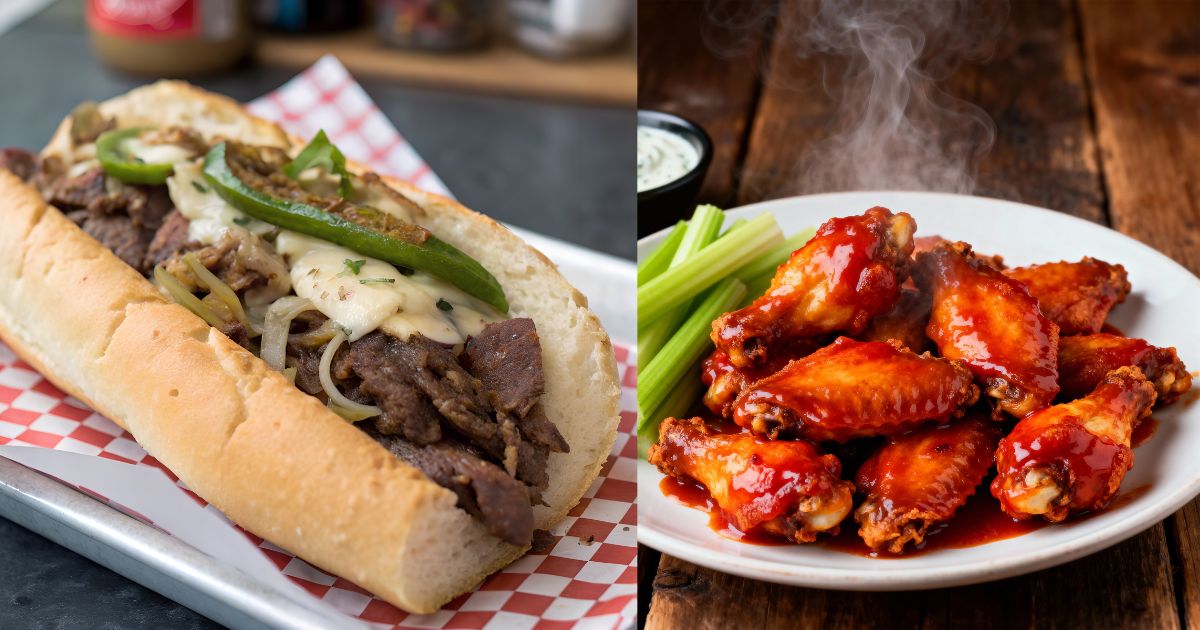
As a franchise opportunity, Charleys plays in the food service industry, specifically the fast-casual/QSR segment. The menu’s core is the Philly cheesesteak – freshly grilled to order – but Charleys locations also offer loaded gourmet fries, chicken wings, lemonade, and other complementary items to broaden customer appeal. By focusing on a unique niche (cheesesteaks) rather than the typical burgers or pizza, Charleys has built a devoted following of customers who crave this specialty. The chain prides itself on high-quality ingredients (100% USDA choice steak or all-white-meat chicken) and a “grilled in front of you” cooking style that emphasizes freshness and transparency. After 35+ years in business, Charleys has strong brand recognition and a reputation for a simple, comfort-food menu delivered with quick, friendly service. It consistently ranks among top franchise brands (currently #58 in Entrepreneur’s Franchise 500 for 2025) and has a long track record of store sales growth. In short, Charleys sits in a popular and proven industry category – Americans spend heavily on fast-food, and this franchise offers a distinctive product within that space.
What Franchisees Get
Investing in a Charleys Philly Steaks & Wings franchise means you’re buying into a turnkey restaurant system with extensive support. Franchisees get a full training program, ongoing coaching, and marketing support to help them run the business. New owners attend Charleys University in Columbus, Ohio for initial training, where they learn everything from sandwich preparation to inventory management and customer service. There is also on-site training assistance when you open your location, plus continuous education opportunities to keep franchisees up to date on best practices. In total, Charleys provides over 150 hours of training (combining classroom and on-the-job) to ensure you’re confident in operationse.
Beyond training, Charleys corporate offers robust support in site selection and restaurant development. The company’s real estate team helps franchisees find and secure an ideal location (critical for a restaurant’s success) and guides you through the build-out process. Charleys restaurants can be located in various venues – from mall food courts and strip centers to freestanding stores or even within big retailers like Walmart. The franchisor’s expertise can assist with lease negotiations and designing the store layout to meet the brand’s standards. This help is valuable, especially for first-time business owners navigating commercial real estate.
Once open, franchisees benefit from ongoing operational and marketing support. Charleys has field consultants who visit locations to provide coaching on maintaining quality, controlling costs, and maximizing profitability. Owners get access to Charleys’ proprietary operations manuals and business management systems, including supply chain partnerships that keep food costs in check through bulk purchasing power. Marketing support is also a key part of what you “get” with the franchise – each owner contributes to a national advertising fund that drives brand awareness via campaigns, and Charleys provides local store marketing strategies to help you attract customers in your area. For example, Charleys runs a popular loyalty app with over 2 million members, giving franchisees a built-in customer engagement tool. Promotions, seasonal menus, and advertising materials are created by the franchisor, so you don’t have to figure out marketing from scratch. In summary, a Charleys franchisee is backed by a well-developed system: a famous brand name, a craveable menu with broad appeal, comprehensive training, and corporate support in operations, technology, and marketing to help drive your restaurant’s growth.
It’s worth noting that the customer base for a Charleys franchise is primarily general consumers – people of all ages looking for a quick, satisfying meal. Many Charleys are located in high-traffic areas (shopping malls, food courts, transit hubs, military bases, etc.), allowing franchisees to serve shoppers, travelers, students, and workers on lunch breaks. Some locations now incorporate third-party delivery and online ordering as well, expanding the customer base beyond just walk-ins. Overall, as a Charleys owner you’ll be operating a retail food business, serving hundreds of individual customers per day, rather than a B2B service.
Startup Costs and Ongoing Fees
One of the most important questions for any franchise investor is the cost. Charleys Philly Steaks & Wings has a total initial investment ranging from about $200,000 up to $935,000 to open a restaurant. This investment covers everything needed to start the business: the franchise license, build-out of the kitchen and dining area, equipment and fixtures (grills, refrigerators, signage, tables, etc.), initial inventory of food, professional fees, and some working capital to get through the first few months. The exact cost will depend on factors like your location’s size and condition (e.g. converting an existing restaurant space vs. building a new one) and local construction costs. Charleys offers a few different restaurant models – including traditional stand-alone stores (CPS format) and Charleys Cheesesteaks & Wings stores (sometimes abbreviated CPSW) which are larger and include the expanded wings menu. There are also options for non-traditional sites (like units inside Walmart stores or on military bases) that can have different cost structures. For example, a smaller food court unit might be on the lower end of the investment range, whereas a full-size inline restaurant with a dining room could be toward the higher end.
The franchise fee to join Charleys is $24,500 for the first unit. This one-time fee grants you the rights to use the Charleys brand and system. Notably, Charleys offers discounted franchise fees for additional units and for certain groups – each subsequent restaurant’s fee is reduced (commonly $15,000 for an additional unit) and qualified U.S. military veterans receive 50% off the franchise fee as a thank-you incentive. In addition to having the cash for the initial investment, Charleys requires franchise candidates to meet certain financial criteria: typically around $500,000 net worth and $175,000 in liquid capital are needed to qualify. These requirements ensure you have a financial cushion to handle startup expenses and any operating shortfalls early on.
After the startup, franchisees must budget for ongoing fees and royalties that come with the Charleys franchise. The standard royalty fee is 6% of gross sales, paid weekly to the franchisor. This royalty gives you continued access to the brand, systems, and support. Charleys sets a minimum royalty of $300 per week, meaning even if sales are very low, you must pay at least that amount (this is common in food franchises to ensure the franchisor earns enough to support the network). Additionally, there are advertising contributions: currently Charleys requires about 3% of gross sales to be allocated to marketing. This is split into 1% for the national marketing fund (collected by corporate for system-wide advertising) and 2% for local marketing that the franchisee spends in their own market. In practice, Charleys charges 1% as an ad fee and expects owners to put another 2% of sales toward approved local promotions. The initial franchise term is 10 years, with options to renew for additional terms (a renewal fee usually applies). Charleys also has a 50% royalty reduction for the first four weeks after you open (to help during ramp-up), and offers access to third-party financing contacts for those who need funding for the investment.
Beyond royalties and ad fees, a Charleys franchisee will incur the normal operating expenses of any restaurant: rent or mortgage on the location, staff wages, food and paper supply costs, utilities, insurance, maintenance, etc. Charleys doesn’t charge a technology fee or other extra fees that some franchises do, but you will be purchasing your ingredients through designated suppliers (leveraging Charleys’ buying power). The company claims that its “streamlined business model” and strong supply chain result in relatively low operating costs for franchise owners, helping maximize return on investment. Of course, labor and food costs need to be managed carefully by each owner to turn a good profit – these are significant expenses in any food business.
What about earnings? Charleys does provide financial performance representations in its Franchise Disclosure Document (Item 19) to help prospective owners understand the revenue potential. According to the most recent data, the average annual gross sales for a Charleys franchise unit is around $900,000. Specifically, across 641 franchised restaurants open the full year 2024, the average sales were $911,062, with a median of about $813,000. Some Charleys locations considerably exceeded this – the top-performing store did over $3 million in sales – while some smaller or weaker locations were down in the $300k range. This wide range (roughly $265,000 on the low end up to $3.08 million high) reflects factors like venue type and market size; for example, Charleys units on military bases averaged around $676K, whereas those in airports averaged $1.27M due to heavy traveler traffic. It’s important to remember that gross sales are not the same as profit – from those sales, a franchisee must pay food costs, staff, rent, fees, etc. However, seeing an average near $900K in revenue can help an investor gauge the potential. Charleys has enjoyed consecutive years of same-store sales increases recently, indicating positive momentum. Many franchisees are able to reinvest in opening additional locations, suggesting that a well-run Charleys can be financially rewarding. As always, individual results will vary, but the earnings data demonstrates that a Charleys Philly Steaks & Wings franchise can generate a healthy revenue stream in the right location.
How the Industry Itself Compares
Running a cheesesteak restaurant versus running a commercial cleaning business are two very different endeavors. Each industry – fast-food dining and commercial janitorial services – has its own advantages and challenges. In this section, we’ll compare Charleys’ food-service industry to the commercial cleaning industry in practical terms. We’ll highlight what makes Charleys’ segment appealing, then contrast it with the commercial cleaning field. The aim is an honest comparison: food franchises can be exciting and lucrative for the right entrepreneur, but as you’ll see, the commercial cleaning industry offers some compelling benefits in terms of stability, scalability, and simplicity (which is why Assett Franchise is built around commercial cleaning).
Charleys Philly Steaks & Wings Industry Advantages
Food is a universal, evergreen business – and franchised restaurants are a cornerstone of franchising. Charleys operates in the QSR (Quick Service Restaurant) sector, which has proven remarkably robust and scalable. One major advantage of this industry is strong consumer demand: people simply love to eat out, and fast-casual concepts attract a broad customer base looking for convenience and flavor. In Charleys’ case, the brand has carved out a unique niche in this vast market by focusing on cheesesteaks and related comfort foods. This sets it apart from the crowded field of burger, pizza, and sandwich shops. In fact, Charleys touts that its menu is a “cut above” the usual fast-food fare – offering something familiar yet not as over-saturated as burgers or fried chicken. The result is a bit of a competitive moat; in many cities, Charleys might be the only specialized cheesesteak franchise, allowing it to capture local fans who can’t get the same item elsewhere easily.
The brand strength and track record of Charleys in the food franchise industry is another key advantage. This is a company with 35+ years of operating history and nationwide recognition. It has been ranked repeatedly in Entrepreneur’s Franchise 500 and has legions of diehard fans across the country. For a new franchise owner, joining an established brand like this means you’re not starting from zero in terms of consumer awareness – many customers already know (and love) Charleys from its presence in malls and food courts. The chain’s loyalty program, with over 2 million members, shows how engaged its customer base is. All of this can translate into easier marketing and immediate goodwill when you open a store. Moreover, Charleys corporate continues to innovate to keep the concept fresh – from rolling out wings and new sides to updating store designs – which helps franchisees stay current and attract today’s customers.
Another advantage of the QSR food industry is the potential for high-volume sales and multi-unit expansion. A busy Charleys restaurant can serve hundreds of guests a day, generating significant daily cash flow. For entrepreneurs who are operationally savvy, there’s the opportunity to grow into multiple locations relatively quickly. Charleys has many franchisees who own several stores, effectively building an empire of cheesesteak shops. In fact, the system has been adding around 100 new units per year recently according to franchisechatter.com, with much of that growth coming from existing owners scaling up to operate multiple outlets. This indicates that the unit economics can support expansion – i.e. once you master one store, opening additional locations can multiply your earnings. The franchisor actively encourages this, since it’s aiming for thousands of outlets. In contrast to some small service businesses, a restaurant franchise like Charleys can be replicated in neighboring territories if the market demand is there.
From an emotional and lifestyle perspective, some people simply love the restaurant business. If you have a passion for food and hospitality, running a Charleys can be very rewarding. You get the tangible satisfaction of seeing customers enjoy a meal you provided. You’re operating in a lively environment, interacting with guests and managing a team, rather than working solo. For franchisees who prefer a customer-facing, retail business, the food industry delivers that experience. There’s also a sense of pride in owning a popular eatery in your community – something friends and family can visit and support. These intangible factors can be seen as advantages if they align with your personal goals (whereas a B2B service business might not scratch that itch for some).
Financially, the food franchise industry offers high ceiling potential for revenue. We saw that average Charleys units do close to $1M in sales, and top stores can do several million in annual revenue. With add-on offerings like catering services or delivery, a single restaurant can tap multiple revenue streams (walk-in diners, online orders, event catering, etc.). Charleys notes that systemwide sales have been rising year-over-year, and the brand is on track to surpass 900 locations soon – signals of a healthy franchise system. Additionally, the franchisor’s investment in technology (like the loyalty app and online ordering) helps franchisees capitalize on modern consumer habits, potentially boosting sales further. In summary, the Charleys franchise industry advantages include: a time-tested concept with strong brand recognition, a unique menu that differentiates it in the market according to entrepreneur.com, built-in demand from consumers who love eating out, and the ability to scale up to multiple units if desired. If you execute well, a food franchise like Charleys can deliver both a profitable business and the personal gratification of feeding your community.
However, it’s also fair to acknowledge the challenges inherent in food service (which we’ll contrast with cleaning below). Restaurants can be labor-intensive, require strict adherence to food safety, and face heavy competition and slim margins. Success in a QSR franchise often demands full-time, hands-on management and careful cost control. Charleys does try to simplify operations – for instance, the menu is relatively streamlined and the stores don’t require huge footprints or expensive chefs – but it’s still a complex business with many moving parts (inventory ordering, prep, cooking, cashiering, cleaning, etc. every single day). Keep these factors in mind as we compare industries.
Compared to Commercial Cleaning Industry
Now let’s look at how all of the above stacks up against the commercial cleaning industry. Assett Franchise is part of the commercial cleaning sector, which is quite different from selling sandwiches. Interestingly, the commercial cleaning industry quietly rivals the restaurant industry in size and importance – it is a massive $100+ billion market in the U.S. that flies under the radar because it’s B2B and behind the scenes. Virtually every office building, school, medical facility, and retail store in America relies on professional cleaning services to maintain a safe environment. This creates a huge and diverse customer base for cleaning companies, spanning essential industries (healthcare, education, logistics, etc.) rather than just individual consumers. In fact, the U.S. commercial janitorial services market is expected to reach around $100 billion by 2023 and keep growing steadily. In short, demand for cleaning is ubiquitous and not going away – every business needs cleaning like they need electricity or insurance, making it a fundamentally stable sector.
Recession resistance and stability are hallmark advantages of the commercial cleaning industry. Cleaning isn’t a luxury or impulse purchase; it’s a necessary service required to keep workplaces hygienic and operational. Even during economic downturns, companies cannot simply stop cleaning their facilities without serious consequences (health code violations, unhappy employees, etc.). This makes commercial cleaning far more resilient in tough times compared to discretionary industries. As one franchisor puts it, commercial cleaning has proven to be “one of the most recession-resistant industries” because it provides an essential service regardless of economic conditions. During recessions, a restaurant might see fewer customers as people tighten budgets, but offices and hospitals still must be cleaned regularly. Cleaning contracts tend to stay in place even if other expenses are cut, since cleanliness is tied to health, safety, and basic business operations. The COVID-19 pandemic highlighted just how mission-critical cleaning is – it actually increased demand for commercial cleaning in many cases, as businesses heightened their sanitation standards. In summary, commercial cleaning offers a level of protection against economic swings that few industries can match. It’s often described as “recession-proof” or recession-resilient because of this essential services aspect.
Another big differentiator is the revenue model. Commercial cleaning franchises typically operate on a recurring revenue model through long-term B2B contracts, whereas a restaurant relies on daily retail transactions. An Assett franchise, for example, might sign janitorial contracts with clients that commit to service 5 nights a week for a year. This means from day one you have predictable, recurring income each month from those contracts, without having to resell the customer each time. It’s like a subscription model – as long as you keep the client happy, the revenue continues steadily. Charleys, on the other hand, has to win customers’ business anew every day; sales can fluctuate with season, location foot traffic, or consumer trends. The predictability of cleaning contracts often leads to more stable cash flow. Many commercial cleaning companies have contracts that auto-renew or extend annually, creating a compounding effect as you add more clients. This B2B relationship dynamic also tends to be less fickle than consumer behavior – a cleaning client might stick with you for years, whereas a restaurant patron might decide to try a new eatery on a whim. The bottom line is that commercial cleaning franchises benefit from long-term, repeat business that builds equity over time (you’re essentially accumulating annuity-like income streams).
From a cost and complexity standpoint, the cleaning industry is generally much simpler and cheaper to enter. Starting a cleaning business does not require a large brick-and-mortar build-out, expensive kitchen equipment, or retail staffing. Most commercial cleaning franchises can be operated initially from a home office, with minimal equipment beyond basic cleaning tools. For example, many janitorial franchise owners begin with just a couple of employees, a vacuum, and cleaning supplies – a far cry from the six-figure investments and 15+ staff needed to open a restaurant. This translates to a much lower cost of entry: some commercial cleaning franchises have startup packages well under $100K (even as low as $20–50K for certain unit franchises). Assett Franchise, in particular, emphasizes a “low investment, high potential” model. Even when scaling up, a cleaning business doesn’t require investing in costly infrastructure; you’re not buying stoves or seating, you’re just adding more labor as you grow, which is a variable cost. The ongoing overhead of a cleaning company is also low – typically there’s no rent (if home-based), no inventory spoilage, and equipment/vehicle costs are modest. In fact, labor is the main expense (often 40–50% of revenue for janitorial firms). This lean cost structure means it can be easier to turn a profit and reach positive cash flow faster than a capital-intensive restaurant. Additionally, because cleaning can often be done after-hours, an owner can keep a day job or run the business semi-absentee initially – something that’s virtually impossible in food service where you must be open all day to make money.
Importantly, the commercial cleaning industry offers scalability without the headaches of retail growth. A cleaning franchise can ramp up from a few contracts to dozens of contracts by adding personnel and maybe a small office, but you don’t need to secure new real estate for each major growth step (unlike adding restaurant locations). There’s also typically no strict territory limitation – if your business can handle more clients in the region, you can keep growing. Assett, for instance, grants large exclusive territories because the model expects you to scale to a $1M+ operation in that area. Hitting seven-figure revenues in cleaning is quite feasible: many commercial cleaning franchisees do $1M or more in annual sales by serving a portfolio of corporate clients (some individual large contracts can be worth $100K+ per year). Even in residential cleaning, which is smaller scale, top franchisees can exceed $1M – Home Cleaning Centers of America reports its top locations surpass that mark. With commercial accounts, the upside can be higher. The beauty is that growth doesn’t necessarily mean exponentially more complexity; you might need a crew of 20 janitors and a supervisor to reach $1M, but compare that to trying to run 3 or 4 restaurants to achieve the same revenue – which would involve 60+ employees, multiple leases, and a lot of capital. In cleaning, you can build a big business organically by adding contracts, all under one franchise unit. This scalable, contract-based model is a major advantage if your goal is a high-income, asset-like business.
Let’s summarize some specific commercial cleaning industry advantages relative to Charleys’ food industry:
- Huge Market Size & Demand: The U.S. commercial cleaning market is worth over $100 billion and growing. Every business facility needs cleaning, regardless of the economy. It’s a fundamental business service (like accounting or security) with virtually unlimited prospective clients (offices, schools, medical, retail, industrial, etc.).
- Essential & Recurring Service: Cleaning is non-discretionary – it must be done regularly. This makes it recession-resistant because companies prioritize keeping environments clean for health and safety. As one industry source notes, even in downturns most clients “will still require regular cleaning” to maintain basic operations. Revenue comes from recurring contracts, not one-off customer purchases, so you have stable monthly income locked in.
- Lower Startup Costs: Commercial cleaning franchises generally have a low cost of entry and minimal overhead. You don’t need a storefront or expensive equipment to start – many franchisees operate from home with just a few thousand dollars of equipment. No costly build-out means you can achieve a faster ROI and face less financial risk than investing $300K–$900K in a restaurant.
- Simpler Operations: The day-to-day running of a cleaning business is operationally simpler than managing a restaurant. There’s no inventory of perishable goods, no complex food prep or health inspections, and typically no need to staff long business hours. Scheduling cleaning crews and maintaining quality are certainly work, but it’s a straightforward service delivery – often done after-hours, which reduces direct supervision needed. This simplicity allows an owner to manage by exception and not be tied to a physical location all day. In fact, many commercial cleaning owners can run the business semi-absentee (e.g. 5-10 hours a week of oversight) once systems and managers are in place, whereas absentee ownership is not allowed in most food franchises (Charleys included).
- High Income Potential for the Investment: Because cleaning contracts can scale and you’re not capped by a single location’s throughput, the revenue ceiling is high. As mentioned, a single franchise territory can grow to $1M+ in annual recurring revenue with the right approach – Assett Franchise’s model is specifically engineered for franchisees to reach that milestone through B2B contract growth. Importantly, you can achieve a large revenue base without needing to open multiple units (each with its own separate costs). The combination of low overhead and recurring revenue means profit margins can be healthy as well. Cleaning businesses often have profit margins in the 15-25% range, which can equal strong actual income on, say, $1M in sales (for example, $150K+$ in profit). While restaurants can also be profitable, they tend to have tighter margins (often 5-15% in QSR) and require hitting high volumes to yield the same dollar profits.
Of course, the commercial cleaning industry isn’t glamorous. It’s behind-the-scenes work, and you’re dealing with managing janitorial staff and maintaining service quality at client facilities, which can be challenging in its own way. Competition exists (there are many small independent cleaners out there), and building a client base takes sales effort. However, relative to food service, the competitive moat in cleaning is actually easier to manage – if you provide reliable quality and good customer service, clients are likely to stick with you, since switching cleaning providers is a hassle for them. There’s also generally more demand than there are quality providers, in any given market, for commercial cleaning. Contrast that with the food industry, where consumer tastes change fast and new competitors pop up all the time. Seasonality can also affect certain service franchises (like lawn care is slow in winter, or restaurants might slump in certain months), whereas basic cleaning of offices is year-round and steady – yet another advantage.
In the end, when comparing Charleys’ industry to commercial cleaning, it comes down to fast-paced retail food vs. stable B2B service. Charleys offers the excitement of a restaurant – a high-energy, customer-centric enterprise with potentially big sales days – but it comes with higher risk and operational complexity. Commercial cleaning offers a more mundane but steady path, with contract-based income, lower costs, and resilience through any economy. For an entrepreneur prioritizing long-term stability, scalability, and simplicity, the cleaning industry often comes out on top.
How the Assett Franchise Compares
We’ve seen what Charleys Philly Steaks & Wings provides and how its food franchise world contrasts with the commercial cleaning world. Now, let’s zero in on Assett Franchise – the commercial cleaning franchise brand founded by Matt Pencarinha – and how it positions itself as a compelling alternative. Assett is built specifically for professionals who want to work on the business, not in it, and who value a modern, systems-driven approach to business ownership. Here’s how Assett compares:
Simpler Systems, Bigger Potential
First and foremost, Assett Franchise is already in that commercial cleaning industry we described – meaning it benefits from all those industry advantages (essential service, recurring B2B revenue, low overhead, etc.). Assett takes those inherent benefits a step further by designing its model to be as simple and scalable as possible for the owner. The philosophy is that franchisees should act as executives growing the business, rather than as technicians doing the cleaning labor. As a result, Assett’s system includes a complete business playbook and refined processes so that even first-time entrepreneurs with no cleaning experience can succeed. Unlike running a restaurant where you might need specific foodservice or management background, Assett doesn’t require industry experience – new owners are trained on the business model and sales process, and the cleaning techniques can be taught to your crew.
Assett is a relatively new franchise (family-owned and founded in 2019), so it brings a fresh perspective without layers of corporate bureaucracy. Franchisees get direct access to the founder (Matt Pencarinha) and leadership team, ensuring personalized support and mentorship as they ramp up. This is a stark contrast to many older, large franchises (like some food brands or national cleaning chains) where an owner may feel like “just a number.” Assett emphasizes a close-knit franchisee community and a mission-driven culture – it’s not private equity controlled, but rather led by a family that is deeply invested in each franchisee’s success. This founder-led, hands-on approach means if you encounter challenges, you can pick up the phone and talk to someone who helped build the business from scratch, rather than navigating a corporate hierarchy.
The business model Assett offers is aimed at building a high-revenue, semi-absentee business. Assett franchise territories are large and protected, because the expectation is that you will be scaling up to serve many clients across a city or region (the goal often cited is to reach that $1M+ in recurring annual revenue milestone per franchise). The systems provided – from client acquisition strategies to operational automation – are engineered to support that kind of growth. For example, Assett trains franchisees in how to land sizable commercial accounts and how to structure contracts for long-term retention, giving you the foundation to grow a substantial book of business. The model is built for owners who want to focus on strategic activities: managing client relationships, ensuring service quality, and steering the growth of the company (rather than personally handling day-to-day cleaning tasks). In other words, Assett is about building a business that works for you, not a job where you work each day. This is aligned with attracting professionals transitioning out of corporate careers – people who have leadership and management skills and want to apply them to building their own company with an asset-like income.
Automated Hiring = Time and Money Saved
One of Assett Franchise’s standout innovations is its proprietary Automated Hiring System. If there’s one pain point nearly all service businesses face, it’s hiring and retaining reliable staff. Janitorial services can have high employee turnover, and owners often find themselves spending endless hours recruiting, interviewing, and training cleaners to keep up with growth. Assett recognized this challenge and invested in technology to automate a huge portion of the hiring process. The system (developed by Matt Pencarinha in the early days of Assett) uses a mix of online marketing, screening algorithms, and streamlined onboarding workflows to create a steady pipeline of vetted cleaning staff.
The impact of this cannot be overstated: Assett’s automated hiring platform can save an owner roughly 20–30 hours per week of work, reducing what is normally a constant headache into just 2–5 hours per week of oversight. In practical terms, the system attracts job candidates, filters them (e.g. via questionnaires or background checks), and even initiates some onboarding steps, delivering only the best prospects to the franchisee for final interviews or approvals. This means you don’t need to hire a full-time HR manager or spend your own evenings and weekends posting job ads and sorting through resumes – the heavy lifting is handled by Assett’s tech. As a result, franchisees can scale up their cleaning crew quickly without the usual hiring bottleneck. If you land a big new contract that requires 5 extra cleaners, the system helps you fill those positions in a fraction of the time it would take a traditional business owner.
This automated hiring advantage translates to both time and cost savings. Time, because you as the owner reclaim those 20+ hours to focus on higher-value activities (like signing more clients or managing quality). Cost, because you don’t have to either pay yourself for that time or pay someone else a salary to do recruiting for you. Assett franchisees effectively get an “HR department in a box.” The consistency of this hiring pipeline also helps maintain service quality – by always having candidates in the queue, you can be selective and ensure you have a trained, reliable team cleaning for your clients. In contrast, a Charleys franchisee might spend a lot of time dealing with employee turnover (common in food service) and training new cooks or cashiers; Assett’s approach minimizes such disruptions on the cleaning side.
Beyond hiring, Assett provides other automation and tech tools to simplify operations. Franchisees receive enterprise-level software for scheduling, client account management, billing, and even real-time KPI tracking to monitor their business health. There are also automated marketing features, like an online instant quote generator for potential clients and email marketing campaigns that can run in the background. All these systems are aimed at running a lean operation – doing more with less manual effort. Assett leans into modern technology in a way many legacy franchises do not. The end benefit is that an Assett owner can realistically manage a large operation (dozens of clients and employees) with only a small weekly time commitment, making true semi-absentee ownership possible. Some Assett owners report they spend as little as ~5 hours a week overseeing the business thanks to these efficiencies. This is a game-changer if you value flexibility and work-life balance while still growing a substantial business.
Personalized and Founder-Led
Another area where Assett shines in comparison is its culture and support structure. Assett is family-owned and founder-led, which fosters a very personal, tight-knit franchise community, as stated in bizbuysell.com. When you join Assett, you’re not buying into a huge corporate machine; you’re partnering with a team that knows your name, your market, and your goals. Franchisees have direct access to Matt Pencarinha (the founder) for mentorship, strategy calls, and problem-solving. It’s not uncommon for franchisees to get one-on-one guidance from the top leadership, something that is virtually unheard of in large franchise systems. This can accelerate your success because you’re learning from the people who built the model successfully in their own cleaning business. The support is tailored to you rather than a one-size-fits-all program.
Assett also emphasizes a community-focused model with a clear mission. Being a service that improves workplaces and lives (by providing cleaner, healthier environments), there’s a sense of purpose in the business. Assett often partners with local organizations and encourages franchisees to become known in their communities as trusted providers. The franchise is not backed by private equity looking for quick expansion; it’s growing carefully with hand-picked franchise owners who align with the company’s values. This means quality over quantity in terms of franchise awards – you’re joining something of an elite group intended to uphold a high standard, not just selling as many franchises as possible. For someone coming from a corporate background, this culture can feel refreshing and empowering. You’re building your business, but you have a supportive “family” of fellow owners and a home office that actually listens to your feedback.
In contrast, if we look at a big franchise like Charleys (or many food franchises), the system can be very corporate. You might have hundreds of fellow franchisees, and the policies are rigidly set to maintain consistency. Support is there, but it might be delivered through a hierarchy of field reps. The CEO of a 800-unit chain probably won’t ever be on the phone with a single franchisee. Assett’s approach is the opposite – founder-involved, high-touch support. This can be especially valuable for first-time business owners who benefit from mentorship and responsive help as they navigate challenges. Moreover, because Assett is smaller and more agile, it can adapt quickly, implement new ideas, or customize solutions if something’s not working. Franchisees’ input can directly influence the system improvements, which gives a sense of ownership and partnership beyond just your local business.
Finally, Assett’s vision is to help franchisees build a scalable, modern business that fits their life, not to just sell a franchise unit. The company deliberately addresses common franchise pain points: for example, high fees – Assett keeps royalties and fees reasonable to ensure owners keep more profit (and it does not layer on many extra fees that legacy franchises might). Another pain point: limited growth – Assett gives large territories and doesn’t saturate markets, so each owner has room to grow to that $1M+ level without internal competition. And of course, the staffing pain point – solved by the automated hiring system we discussed. These features show that Assett was built by someone who experienced the cleaning business firsthand and wanted to create a better franchise model.
For someone evaluating Charleys vs Assett, this means that if you want a business that is simpler to run, with lower risk and a higher long-term upside, Assett checks those boxes. You won’t have the fun of serving cheesesteaks, but you’ll have the satisfaction of a business that can run with minimal drama and generate recurring income reliably. Assett positions itself as “the executive’s franchise” – ideal for an owner who wants to strategically grow an enterprise while maintaining flexibility (many Assett owners are able to spend more time with family or pursue other interests because the business doesn’t chain them to a location all day).
Final Thoughts
Charleys Philly Steaks & Wings is a well-established franchise with a beloved product. For the right type of buyer – say, a foodie entrepreneur who thrives in a busy retail environment and envisions owning multiple restaurants – Charleys can indeed be a rewarding path. It offers a famous brand name, a fun consumer-facing atmosphere, and a proven formula in the fast-food world. However, if you’re an aspiring business owner prioritizing scalability, stability, and lower operational complexity, it’s worth considering the advantages of a cleaner alternative like Assett Franchise. The commercial cleaning industry, and Assett’s model in particular, provides a more predictable and recurring revenue stream, is recession-resistant, and doesn’t require the heavy investments or daily grind that come with food service. Assett Franchise is engineered for minimal risk and faster ROI – with low startup costs and high potential upside – and it’s built for an executive ownership style (so you can run the business, not let it run you).
In the end, the choice comes down to your personal goals and what you want your day-to-day to look like. Charleys offers the excitement of running a restaurant and seeing instant sales each day, whereas Assett offers the calm of a B2B service that steadily builds wealth over time. Both are in demand – people will always love cheesesteaks, and businesses will always need cleaning. But if you’re looking for a scalable, stable business with low complexity and predictable recurring revenue, Assett Franchise simply offers more advantages for the long haul. It’s a modern franchise model designed for those who want long-term income, flexibility, and control without the headaches of high overhead or intense competition.
If you’re exploring franchise opportunities and want a model that can deliver long-term income, flexibility, and control — we’d love to show you how Assett Franchise can help you build a business that works for your life. Visit https://assettfranchise.com to connect with our team and learn more.