What Is the Voda Cleaning & Restoration Franchise Opportunity?
Company Overview and Industry
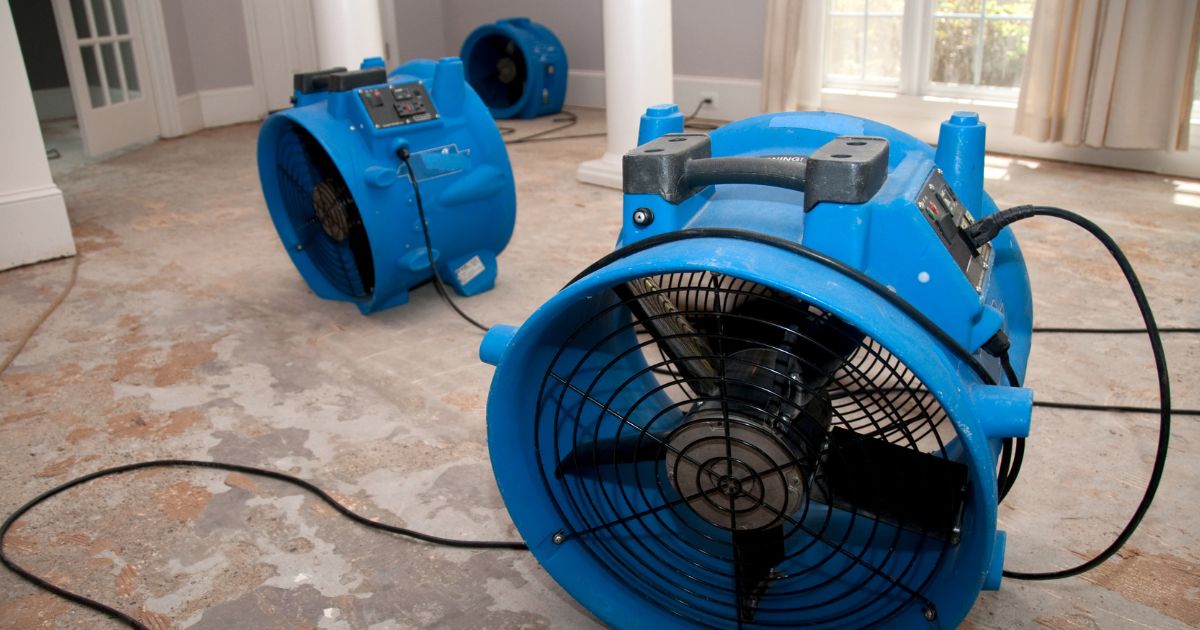
The Voda Cleaning & Restoration Franchise operates in the restoration and specialty cleaning industry. Franchisees provide services such as water damage restoration, carpet cleaning, air duct cleaning, and disaster recovery services for homes and businesses. This industry focuses on responding to property damage events such as floods, mold outbreaks, or fire damage, while also offering preventive cleaning services like floor care and air duct maintenance.
The brand is relatively new to franchising but has expanded rapidly. The concept originated from a restoration and cleaning business called DNA Fresh Carpet Care that had been operating since 2009 and later evolved into the Voda brand and franchise system.
Franchising began only recently, but the brand has grown quickly. By 2024, the system had approximately 58 franchised locations across the United States along with a small number of company-owned outlets.
The company has focused on awarding territories aggressively during its expansion phase. Reports indicate that more than 100 franchise territories were awarded within the first year of expansion, signaling strong early interest from investors exploring restoration-related service businesses.
The restoration industry itself is driven by events such as water damage, mold remediation, and disaster recovery, which can create large-ticket service jobs. Because of this, many entrepreneurs view restoration franchises as an opportunity to generate high revenue from fewer customers compared with traditional cleaning businesses.
What Franchisees Get
Owners of the Voda Cleaning & Restoration Franchise operate a service-based business focused on both cleaning and restoration. Services commonly offered include:
- Water damage restoration
- Carpet and upholstery cleaning
- Air duct and dryer vent cleaning
- Mold remediation support
- Reconstruction and repair after property damage
- Floor cleaning services for residential or commercial properties
The brand promotes a “two services, one model” concept—combining restoration services with cleaning services to diversify revenue streams.
Franchisees receive operational support that may include:
- Initial training programs
- Business management software and technology stack
- Restoration project management tools
- A centralized inbound call center for lead intake
- Marketing and brand development support
- Ongoing coaching from franchise support staff
Another key component is lead generation programs designed to help franchisees secure restoration jobs after emergencies like floods or storm damage.
The typical customer base for this business includes both residential and commercial clients. Many restoration projects originate from homeowners dealing with water damage, mold, or other emergencies. However, commercial property managers, insurance companies, and real estate professionals may also refer restoration work.
Startup Costs and Ongoing Fees
Starting a Voda Cleaning & Restoration Franchise requires a substantial investment compared with many service franchises.
According to franchise disclosure documents and franchise marketplace data, the total initial investment typically ranges from approximately $201,374 to $357,608.
This investment includes several key components:
- Initial franchise fee: $59,500
- Equipment and tools: approximately $30,000–$35,000
- Upfitted service van: $19,800–$97,200 depending on configuration
- Initial marketing and advertising: about $15,000
- Technology and software systems: several thousand dollars
- Working capital for the first few months: $50,000–$80,000
In addition to startup costs, franchisees must pay ongoing fees that include:
- Royalty fee: 7% of gross revenue
- Brand fund contribution: 1% of revenue initially, increasing to 2% later
- Local advertising requirement: typically 5% of revenue or a minimum monthly amount
Prospective owners must also meet financial requirements, which often include:
- Minimum $75,000 liquid capital
- Around $250,000 net worth to qualify as a franchise candidate.
Performance metrics disclosed by the brand indicate that some locations can generate meaningful revenue. For example, top-performing franchisees reported average gross revenue of about $803,276, while the flagship operation reported over $2.7 million in total revenue with approximately $613,253 in net income.
However, as with any franchise opportunity, results vary significantly based on territory, marketing success, operational skill, and market demand.
How the Industry Itself Compares
Voda Cleaning & Restoration Industry Advantages
The restoration and specialty cleaning industry does offer several advantages that make it attractive to entrepreneurs.
One key benefit is the ability to generate large project-based revenue. Water damage restoration jobs can be high-ticket services because they often involve emergency response, equipment rental, drying processes, and repair work. Insurance companies frequently cover these services, which can lead to substantial invoices per job.
The industry also benefits from event-driven demand. Natural disasters, flooding incidents, and plumbing failures create urgent demand for restoration services.
Another advantage is that restoration businesses may build relationships with insurance adjusters, plumbers, property managers, and contractors. These partnerships can lead to recurring referrals over time.
Additionally, the combination of restoration and cleaning services provides multiple revenue streams. A customer who initially needs carpet cleaning may later require restoration services, or vice versa.
Despite these strengths, the restoration industry comes with operational realities that many first-time entrepreneurs underestimate.
Compared to the Commercial Cleaning Industry
When comparing restoration franchises to the commercial cleaning industry, several important differences emerge.
First, restoration businesses often depend heavily on unpredictable events. While storms or water damage incidents can produce significant revenue, they are not guaranteed to occur consistently within a specific territory.
In contrast, commercial cleaning is built on predictable, recurring service contracts. Businesses such as offices, schools, medical facilities, and warehouses require cleaning on a weekly or daily basis.
Second, restoration businesses frequently require specialized equipment and technical expertise. Water extraction machines, drying equipment, moisture meters, and restoration vehicles represent significant capital investments.
Commercial cleaning businesses typically operate with much simpler equipment and lower startup costs, making them easier to scale.
Third, restoration projects can require rapid emergency response. When a pipe bursts in the middle of the night, restoration companies must respond immediately. This can create operational stress and long hours for business owners.
Commercial cleaning services, on the other hand, usually operate on scheduled routines that allow owners to design a more predictable work schedule.
Finally, restoration companies often rely heavily on residential customers. Homeowners experiencing emergencies may make emotionally driven decisions, which can create volatile demand cycles.
Commercial cleaning businesses focus primarily on B2B clients—companies that budget for cleaning services every year.
The commercial cleaning industry also has several structural advantages:
- A $100B+ market serving commercial buildings nationwide
- Services that are essential and recession-resistant
- Predictable income through long-term recurring contracts
- Low cost of entry with potential to reach $1M+ in revenue
- Ability to run the business semi-absentee with minimal weekly involvement
- Simple operations that scale without expensive equipment or real estate
Because every office building, school, and healthcare facility requires regular sanitation, demand remains steady regardless of economic cycles.
For entrepreneurs seeking stability and scalability, these characteristics can make commercial cleaning an appealing alternative.
How the Assett Franchise Compares
Simpler Systems, Bigger Potential
While restoration franchises like the Voda Cleaning & Restoration Franchise provide an opportunity in the disaster restoration market, Assett Franchise operates in a different segment of the cleaning industry.
Assett focuses specifically on the commercial cleaning industry, which is built around recurring B2B contracts.
This difference significantly impacts the way the business operates.
Instead of relying on unpredictable restoration projects, Assett franchise owners build a portfolio of commercial clients that require cleaning every week or every day. Offices, medical clinics, warehouses, and schools all require consistent sanitation services.
This creates a business model designed for predictable recurring revenue.
Another important advantage is simplicity.
The Assett system is designed for owners who want to work on the business rather than in it. Franchisees receive a complete business playbook that covers sales, operations, hiring, and growth strategies.
The goal is to help entrepreneurs build a business capable of generating $1M+ in recurring annual revenue without requiring industry experience.
Because commercial cleaning operations rely on repeat service agreements rather than one-time projects, franchise owners can scale their businesses in a more predictable way.
Automated Hiring = Time and Money Saved
One of the biggest challenges in service businesses is hiring and retaining reliable employees.
Assett Franchise addresses this challenge with an automated hiring system designed specifically for the commercial cleaning industry.
This system helps franchise owners:
- Recruit qualified cleaning staff quickly
- Automate job postings and applicant screening
- Maintain a steady workforce as the business grows
For many service businesses, hiring alone can consume 20–30 hours per week of an owner’s time.
By automating large parts of the hiring process, Assett helps franchise owners avoid one of the biggest operational bottlenecks in the industry.
The result is a business that can scale more efficiently while maintaining consistent service quality.
Personalized and Founder-Led
Another key difference is the leadership structure behind Assett.
Assett Franchise is a family-owned company led by founder Matt Pencarinha, according to bizbuysell.com, rather than a private-equity-backed franchise system.
This structure allows franchisees to maintain closer relationships with leadership and receive more personalized support.
Franchise owners benefit from:
- Direct access to leadership and strategic guidance
- A community of like-minded entrepreneurs building service businesses
- Ongoing coaching focused on long-term growth
This approach reflects a broader mission of helping professionals transition from corporate careers into business ownership.
The Assett system is designed specifically for individuals who want to replace their income and build a scalable asset.
Final Thoughts
The Voda Cleaning & Restoration Franchise can be a compelling opportunity for entrepreneurs interested in the restoration and disaster recovery industry.
Its strengths include the ability to generate high revenue per job, multiple service offerings, and growing demand for restoration services following natural disasters or property damage events.
However, restoration businesses also come with challenges.
They often require higher startup costs, specialized equipment, emergency response capabilities, and a reliance on event-driven demand.
For many entrepreneurs—especially those leaving corporate careers—these factors can create operational complexity and unpredictable income streams.
Commercial cleaning offers a different path.
Because it focuses on recurring B2B contracts rather than emergency restoration work, the industry provides predictable revenue, simpler operations, and steady demand across every economic cycle.
Assett Franchise was designed specifically around these advantages.
The model emphasizes recurring commercial contracts, automated hiring systems, and operational simplicity—allowing owners to build scalable businesses without needing industry experience.
For professionals looking to transition into business ownership while maintaining flexibility and stability, this structure can provide a powerful foundation.
If you’re exploring franchise opportunities and want a model that can deliver long-term income, flexibility, and control — we’d love to show you how Assett Franchise can help you build a business that works for your life.
Visit https://assettfranchise.com to connect with our team and learn more.