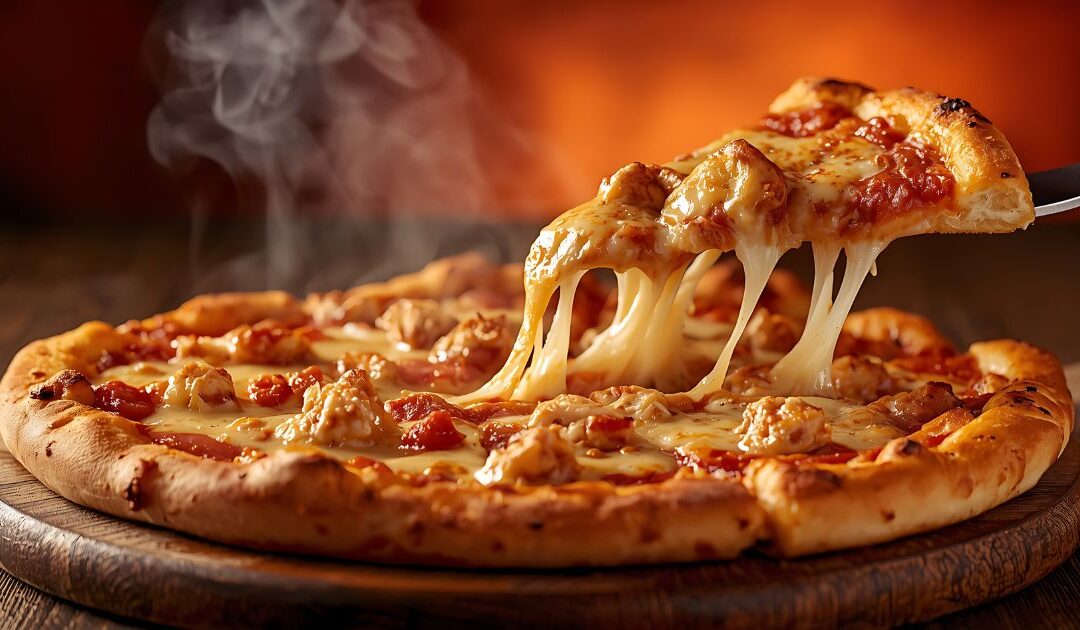
Entrepreneurs exploring franchise ownership often gravitate toward well-known consumer brands. One name that frequently appears in search results is the Papa Murphy’s Franchise opportunity.
For someone leaving a corporate career, the appeal is obvious: brand recognition, a simple product, and a familiar retail model. But recognition alone doesn’t determine whether a business will deliver predictable income, scalability, and long-term wealth.
In this detailed review, we’ll examine how Papa Murphy’s works, what franchisees can expect financially and operationally, and how it compares to the commercial cleaning industry — particularly the model offered by Assett Franchise.
What Is the Papa Murphy’s Franchise Opportunity?
Company Overview and Industry
Papa Murphy’s operates in the quick-service restaurant (QSR) industry, specifically the take-and-bake pizza segment. Unlike traditional pizza chains, customers purchase uncooked pizzas that they bake at home.
The brand was founded in 1981 and later rebranded under the Papa Murphy’s name after a merger in 1995. The company experienced rapid expansion throughout the 2000s and became one of the largest take-and-bake pizza brands in North America.
Today, Papa Murphy’s operates hundreds of locations across the United States. The brand was acquired by MTY Food Group in 2019, placing it under a multi-brand restaurant portfolio rather than founder-led ownership.
The industry itself is highly competitive. Papa Murphy’s competes with:
- Traditional delivery chains
- Fast-casual pizza brands
- Grocery store prepared foods
- Meal kits and delivery apps
While pizza remains a popular category, it is also saturated and price-sensitive.
What Franchisees Get
A Papa Murphy’s Franchise provides franchisees with:
- Brand recognition and national marketing campaigns
- A standardized menu and operational systems
- Training programs for store management and food safety
- Site selection and store build-out guidance
- Ongoing operational support
The business model centers on retail storefront operations. Franchisees typically lease commercial retail space, hire hourly staff, manage food inventory, and oversee daily store operations.
The customer base is primarily residential. Revenue depends heavily on:
- Foot traffic
- Local promotions
- Weekly consumer buying cycles
- Community demographics
Unlike B2B service models, this is a consumer-driven retail business where sales fluctuate based on location, competition, and local economic conditions.
Startup Costs and Ongoing Fees
According to recent Franchise Disclosure Document (FDD) data, the total initial investment for a Papa Murphy’s Franchise typically ranges from approximately $296,000 to over $550,000, depending on location, build-out costs, and lease terms.
Key financial elements include:
- Initial franchise fee: Typically around $25,000
- Royalty fee: Approximately 5% of gross sales
- Brand marketing fee: Around 2%–3% of gross sales
- Real estate and build-out costs
- Equipment and food inventory
- Insurance and utilities
- Working capital
Restaurant models often require significant capital before the doors open. Build-out costs, refrigeration systems, ovens, point-of-sale systems, and leasehold improvements drive up initial expenses.
In addition to royalties, franchisees face recurring operational costs including payroll, rent, food costs, and shrinkage.
Recent FDD performance representations have shown varying store-level sales figures depending on region and store maturity. As with most QSR brands, performance varies widely based on market saturation, lease terms, and owner involvement.
How the Industry Itself Compares
When evaluating the Papa Murphy’s Franchise opportunity, it’s important to step back and assess the broader restaurant industry against commercial cleaning.
Papa Murphy’s Industry Advantages
The pizza and QSR industry does offer several advantages:
- Recognizable consumer brand
- Established demand for pizza
- Structured operating system
- Potential for multi-unit ownership
- Clear daily sales tracking
Food businesses can generate strong revenue in high-traffic areas. For operators who enjoy retail management, customer service, and food operations, it can be an engaging environment.
The take-and-bake model also reduces some costs compared to full-service restaurants, since customers complete the cooking process at home.
However, those benefits come with complexity.
Compared to Commercial Cleaning Industry
The commercial cleaning industry is fundamentally different.
First, it operates in a $100B+ market size, serving commercial buildings rather than residential households. Offices, schools, medical facilities, warehouses, and government buildings require cleaning regardless of consumer trends.
Second, it is essential and recession-resistant. Businesses must maintain sanitation standards in all economic climates.
Third, commercial cleaning produces recurring revenue through long-term B2B contracts. Instead of relying on daily foot traffic, revenue comes from predictable monthly service agreements.
The Papa Murphy’s Franchise model depends heavily on consumer buying behavior. Sales can fluctuate weekly and seasonally. Promotions often drive short-term traffic, but margins can tighten due to food cost volatility.
Commercial cleaning avoids:
- Perishable inventory
- Retail leases in high-cost shopping centers
- Food safety compliance complexities
- Consumer-driven emotional buying cycles
In commercial cleaning, contracts are based on operational necessity, not impulse decisions.
Additionally, commercial cleaning has a low cost of entry with high income potential ($1M+ achievable). Compared to restaurant build-out expenses, service-based cleaning operations require significantly less upfront capital.
The industry also scales without requiring expensive equipment or real estate ownership. Growth comes from contracts and team expansion, not storefront expansion.
For first-time entrepreneurs seeking a simple, proven path, commercial cleaning offers:
- Structured systems
- Stable demand
- Straightforward service delivery
- Clear cost controls
Perhaps most importantly, cleaning businesses can be run semi-absentee, often with as little as five hours per week once systems are in place.
Retail food franchises rarely offer that level of flexibility.
How the Assett Franchise Compares
When comparing the Papa Murphy’s Franchise opportunity to Assett Franchise, the difference is not just industry — it’s ownership philosophy.
Assett Franchise is built for professionals who want executive-level ownership without retail operational chaos.
Simpler Systems, Bigger Potential
Assett Franchise operates within the commercial cleaning industry. The model is designed for owners who want to work on the business rather than in it.
Key differences include:
- No retail storefront required
- No perishable food inventory
- No daily consumer traffic dependency
- No extended operating hours
The revenue model centers on recurring B2B contracts. With structured systems and disciplined client acquisition, franchisees can build toward $1M+ recurring revenue potential.
Industry experience is not required. Assett provides a complete business playbook, covering:
- Sales process
- Pricing strategy
- Contract acquisition
- Hiring systems
- Quality control
- Financial oversight
The model is engineered for scalability without unnecessary complexity.
Automated Hiring = Time and Money Saved
One of the biggest challenges in service businesses is workforce management.
Assett Franchise incorporates an automated hiring system that eliminates many traditional staffing bottlenecks. Instead of spending hours reviewing resumes and conducting manual screenings, franchisees leverage structured recruitment funnels.
This system can save owners 20–30 hours per week, or the equivalent cost of a full-time operations manager.
By standardizing hiring and onboarding, franchisees maintain consistent workforce quality as they scale.
Restaurant franchises like Papa Murphy’s often require:
- Shift scheduling
- High employee turnover management
- In-store supervision
- Food safety compliance oversight
Cleaning operations, when structured correctly, rely on process-driven teams rather than constant on-site owner presence.
Personalized and Founder-Led
Papa Murphy’s is part of a large corporate portfolio owned by MTY Food Group. While support structures exist, it is not a founder-led, family-driven brand.
Assett Franchise is family-owned and led by Matt Pencarinha, as stated in bizbuysell.com. Franchisees receive direct access to leadership and guidance rather than navigating corporate layers.
This personalized approach allows for:
- Faster decision-making
- Tailored support
- Community-focused collaboration
- Clear mission alignment
The brand is not driven by private equity growth mandates. Instead, it focuses on sustainable franchisee success.
Operational Complexity Comparison
Restaurant operations involve multiple moving parts:
- Inventory management
- Food spoilage risk
- Health inspections
- Customer service issues
- Long retail hours
- Weekend and evening demands
The Papa Murphy’s Franchise model requires consistent in-store oversight, particularly in early years.
Commercial cleaning operations differ significantly:
- Work often occurs after business hours
- Services are contract-based
- Revenue is predictable month-to-month
- Inventory is non-perishable
- Regulatory burden is lighter
Cleaning businesses scale through contract acquisition and team expansion rather than additional storefronts.
Financial Structure and Risk Profile
Restaurants often operate on thinner net margins due to:
- Food costs
- Rent in retail centers
- Utilities
- Labor intensity
- Marketing promotions
Revenue can be strong, but profitability depends heavily on volume and cost control.
Commercial cleaning contracts generate stable gross margins when properly priced. Because overhead is lower and real estate costs are minimal, scalability improves net income potential.
The Papa Murphy’s Franchise opportunity may suit individuals passionate about food and retail management.
However, for entrepreneurs focused on:
- Predictable cash flow
- Lower capital risk
- Recurring B2B revenue
- Executive-style ownership
The commercial cleaning industry offers a structurally different path.
Scalability and Exit Potential
Multi-unit restaurant ownership requires:
- Additional build-outs
- Multiple lease agreements
- Expanded managerial layers
Scaling can be capital-intensive.
Commercial cleaning expands by:
- Securing new contracts
- Hiring additional teams
- Expanding service territories
There is no need for multiple storefronts or retail leases.
Additionally, service-based businesses with recurring contracts often command strong valuations when preparing for sale. Predictable revenue streams increase buyer confidence.
Final Thoughts
The Papa Murphy’s Franchise opportunity offers a recognizable brand and a structured QSR system. For operators who enjoy retail environments and direct customer interaction, it can be an engaging business model.
However, it also comes with:
- Significant upfront investment
- Consumer demand variability
- Operational complexity
- Retail lease commitments
- Hands-on involvement
For professionals leaving corporate careers who prioritize:
- A scalable, stable business
- Low operational complexity
- Predictable recurring revenue
- Minimal risk and faster ROI
- A modern business model built for executive ownership
Assett Franchise presents a compelling alternative.
Commercial cleaning serves essential commercial facilities across the United States. Demand is steady, contracts are recurring, and the business can be structured for semi-absentee leadership.
Under the leadership of Matt Pencarinha, Assett Franchise focuses on systems, automation, and personal support — equipping franchisees to build sustainable, long-term income.
If you’re exploring franchise opportunities and want a model that can deliver long-term income, flexibility, and control — we’d love to show you how Assett Franchise can help you build a business that works for your life. Visit https://assettfranchise.com to connect with our team and learn more.