For professionals looking to leave their careers and step into business ownership, franchise research often leads down unexpected paths. One moment you’re evaluating home services or B2B concepts, and the next you’re intrigued by a high-energy, consumer-facing opportunity like the Wild Bill’s Soda Franchise.
Wild Bill’s presents itself as a nostalgic, event-driven beverage brand with strong visual appeal, veteran-focused messaging, and a mobile business model that avoids traditional storefront leases. For the right buyer, that can sound exciting. But excitement alone doesn’t build long-term wealth, predictable income, or a semi-absentee lifestyle.
This in-depth review breaks down what the Wild Bill’s Soda Franchise actually offers in the U.S. market, what’s known (and not known) about franchisee performance, and how this type of opportunity compares to a Cleaning Business Franchise like Assett Franchise—which is designed for scalable, recurring revenue and executive-style ownership.
What Is the Wild Bill’s Soda Franchise Opportunity?
Company Overview and Industry
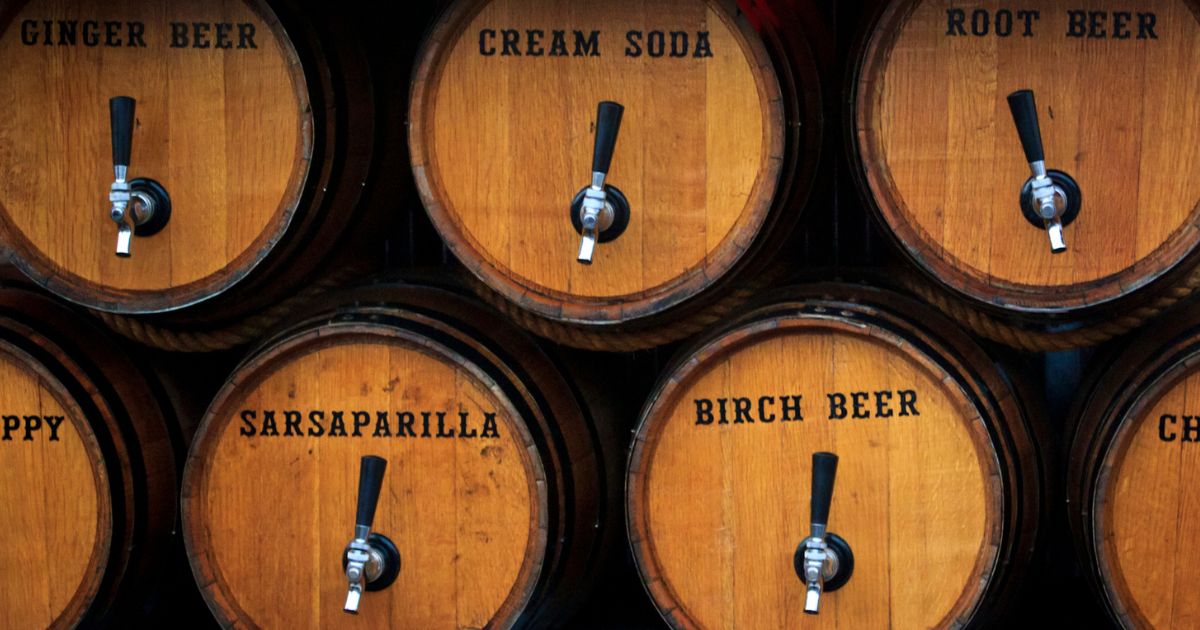
Wild Bill’s Craft Beverage Co. operates in the specialty beverage and event concessions industry. The brand is best known for serving old-fashioned craft sodas—often in reusable, branded mugs—at fairs, festivals, sporting events, conventions, and community gatherings across the United States.
According to the company’s official materials, Wild Bill’s was founded in 2002 and has built more than two decades of experience operating at live events nationwide. You can verify this background on the company’s “About” and franchise pages at DrinkWildBills.com, which describe a long operating history prior to franchising.
The franchising program itself is newer. Multiple franchise directories and disclosures indicate Wild Bill’s began offering franchises around 2014, separating the longevity of the brand from the maturity of the franchise system, according to Franchisedirect.
This distinction matters. A brand can be well known at events while still having a relatively young franchise infrastructure—something prospective buyers should factor into due diligence.
What Franchisees Get
Wild Bill’s franchisees operate a mobile beverage business, not a brick-and-mortar retail store. Instead of relying on walk-in traffic, franchisees bring the product to locations where crowds already exist.
According to the franchise opportunity materials, franchisees receive:
- Rights to operate under the Wild Bill’s brand in a protected territory
- Training programs covering operations, event setup, staffing, and logistics
- Access to approved products, equipment, and branded materials
- Ongoing support for event booking and business operations
The customer base is overwhelmingly consumer-focused, with sales driven by impulse purchases at live events. This model can generate strong single-day revenue during well-attended events, but it also ties success closely to event availability, weather, local regulations, and scheduling.
Franchise marketing materials also emphasize that Wild Bill’s participates in hundreds of events annually nationwide, helping franchisees leverage existing brand recognition when securing venues.
Startup Costs and Ongoing Fees
Across multiple independent franchise listing platforms, the initial investment range for the Wild Bill’s Soda Franchise is consistently reported between $155,800 and $214,700. This range typically includes equipment, initial inventory, training, and startup expenses.
The initial franchise fee is commonly listed at $40,000, with a stated minimum liquid capital requirement of approximately $100,000.
Wild Bill’s also markets itself heavily to military veterans. Public franchise listings describe a 50% franchise fee discount for qualified veterans, which can materially reduce upfront costs for eligible buyers.
Regarding ongoing fees, third-party franchise analyses note:
- No currently enforced royalty fee, but the franchisor reserves the right to implement a royalty of up to 5% of gross revenue
- A Brand Development Fund reported at approximately $2,000 per stand per year
Franchisee Performance and Earnings Claims
This is a critical section for serious buyers.
Based on publicly available Franchise Disclosure Document (FDD) summaries and third-party analyses, Wild Bill’s does not currently provide an Item 19 Financial Performance Representation. In practical terms, that means the franchisor does not publish verified average revenues, profits, or earnings ranges for franchisees.
For context, Item 19 is the only section of an FDD where franchisors are legally permitted to disclose earnings or financial performance claims. The Federal Trade Commission explains this requirement clearly:
The absence of Item 19 data does not mean franchisees cannot be successful—but it does mean prospective owners must rely heavily on:
- Direct franchisee validation calls
- Personal financial modeling
- Conservative assumptions about event frequency and margins
How the Industry Itself Compares
Wild Bill’s Soda Industry Advantages
The biggest strength of the Wild Bill’s model is its experience-driven appeal. The brand combines nostalgia, visual merchandising, and live events—creating excitement that can lead to strong impulse sales when conditions are right.
Additional advantages include:
- No permanent retail lease
- Mobility and flexibility across different venues
- Strong branding and recognizable presentation
Press releases from PRWeb and BevNET also highlight ongoing expansion into new territories and partnerships, suggesting continued brand growth.
For hands-on operators who enjoy weekends, crowds, and event logistics, this type of franchise can be energizing.
Compared to the Commercial Cleaning Industry
Where event-based beverage franchises shine in excitement, they often struggle with predictability.
Event businesses face:
- Seasonality
- Weather risk
- Venue approval cycles
- Revenue concentration into weekends and peak seasons
By contrast, the commercial cleaning industry operates on a completely different foundation.
The U.S. janitorial and commercial cleaning market exceeds $100 billion annually, according to IBISWorld, with demand driven by offices, medical facilities, schools, warehouses, and industrial buildings, according to IBISWorld.
Commercial cleaning is also widely recognized as essential and recession-resistant. During economic downturns and public health crises, cleaning services are required to maintain compliance, safety, and daily operations, according to OSHA.
Perhaps most importantly, commercial cleaning is built on recurring B2B contracts, not one-time consumer transactions. Facilities pay monthly, often under multi-year agreements, creating predictable cash flow and easier long-term scaling.
This is why many buyers evaluating a Cleaning Business Franchise prioritize stability over novelty.
How the Assett Franchise Compares
Simpler Systems, Bigger Potential
Assett Franchise operates squarely within the commercial cleaning industry, but with a modern structure designed for owners who want to work on the business—not clean buildings themselves.
Assett is built to help franchisees:
- Build recurring B2B revenue
- Scale toward $1M+ annual revenue
- Avoid retail leases and heavy equipment investments
- Enter the industry with no prior cleaning experience
Assett Franchise was founded by Matt Pencarinha, a former corporate professional who built the operating model before franchising it—an origin story that resonates strongly with career-switchers seeking a proven path.
Automated Hiring = Time and Money Saved
One of the biggest challenges in service businesses is hiring and workforce management. Assett addresses this head-on with a proprietary automated hiring system.
According to Assett’s published materials, this system:
- Eliminates most manual recruiting work
- Saves owners an estimated 20–30 hours per week
- Reduces hiring oversight to as little as 2–5 hours per week
This level of automation is a key reason Assett can be operated semi-absentee, often requiring as little as 5 hours per week of owner involvement once established.
Personalized and Founder-Led
Unlike many franchise brands backed by private equity, Assett is family-owned and founder-led, as stated in bizbuysell.com. Franchisees receive direct access to leadership, strategic guidance, and a community focused on long-term success—not short-term franchise sales.
This structure often appeals to buyers who value transparency, responsiveness, and alignment with the franchisor’s mission.
Final Thoughts
The Wild Bill’s Soda Franchise can be a compelling option for the right buyer—particularly someone who enjoys live events, consumer interaction, and hands-on weekend operations. Its branding, veteran incentives, and mobile model offer real advantages within the specialty beverage space.
However, for professionals leaving established careers who want:
- Predictable recurring revenue
- Lower operational volatility
- Scalability without being on-site daily
- A business designed for long-term wealth, not seasonal spikes
A commercial cleaning franchise often delivers stronger fundamentals.
Assett Franchise, in particular, is built for owners who want stability, automation, and a clear path to meaningful scale—without relying on weather, events, or impulse consumer spending.
“If you’re exploring franchise opportunities and want a model that can deliver long-term income, flexibility, and control — we’d love to show you how Assett Franchise can help you build a business that works for your life. Visit https://assettfranchise.com to connect with our team and learn more.”